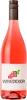
Winery Mena KahoSeco de Mesa Orgânico Rosado
 Pink wine



This wine generally goes well with

Details and technical informations about Winery Mena Kaho's Seco de Mesa Orgânico Rosado.
Discover the grape variety: Alvina
Simple, fresh dry whites with a pale golden colour, a supple palate with moderate acidity and understated aromas of citrus and white flowers. Discreet rustic profile. Preserved in a few ampelographic collections, it belongs to the heritage varieties whose commercial diffusion has almost disappeared and which are studied for their genetic interest. Rare, poorly documented white variety cultivated in negligible quantities.
Last vintages of this wine
The best vintages of Seco de Mesa Orgânico Rosado from Winery Mena Kaho are 2017, 0
Informations about the Winery Mena Kaho
The Winery Mena Kaho is one of of the world's great estates. It offers 12 wines for sale in the of Serra Gaúcha to come and discover on site or to buy online.

The wine region of Serra Gaúcha
Brazil's wine capital, Rio Grande do Sul. Specialty: high-quality traditional-method sparklers, fine and fruity (apple, citrus, white flowers), elegant bubble, alpine expression of the south. Still wines mostly European: round fruity Merlot, firm Cabernet Sauvignon, more tannic Tannat, fresh Chardonnay, supple Riesling Italico, fine Pinot Noir. Marked by Italian immigration in 1875, humid climate tempered by altitude.
The wine region of Rio Grande do Sul
Brazil's winemaking heart (~80% of production), Italian tradition. Recognised specialty: traditional-method sparkling wines (espumantes), fresh and fruity, based on Chardonnay and Pinot Noir, among South America's finest. Accessible reds: supple, fruity Merlot (plum, cherry), fleshy Cabernet Sauvignon, dense, tannic Tannat. Round Chardonnay, light Riesling Italico, sweet, floral Moscato whites.
The word of the wine: Rebêche (champagne)
Must obtained in excess of the 2 550 litres authorised for a weight of 4 000 kilos of grapes. The first 2 050 litres constitute the cuvée and the next 500 litres the taille. The rebêche represents 1 to 3 % of the total volume and must be distilled or used to make ratafia.