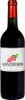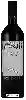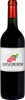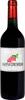
Winery MakanaCabernet Franc
 wine
wine
This wine generally goes well with
The Cabernet Franc of the Winery Makana is in the top 0 of wines of Diamond Mountain District.

Details and technical informations about Winery Makana's Cabernet Franc.
Discover the grape variety: Picpoul Noir
Supple, fruity reds with a clear ruby robe, smooth tannins and an airy palate with cutting acidity. Signature aromas of red fruits (cherry, raspberry), soft spices and floral southern notes. Elegant, vibrant-acid profile. Traditional component of Languedoc blends and one of the 13 authorised grapes of Châteauneuf-du-Pape AOC, embodying Rhône heritage. Black-skinned variant of Picpoul, once more widely planted in the South.
Informations about the Winery Makana
The Winery Makana is one of of the world's greatest estates. It offers 2 wines for sale in the of Diamond Mountain District to come and discover on site or to buy online.

The wine region of Diamond Mountain District
The wine region of Diamond Mountain District is located in the region of Napa Valley of California of United States. Wineries and vineyards like the Domaine Seaver Vineyards or the Domaine Hall OVW produce mainly wines red and white. The most planted grape varieties in the region of Diamond Mountain District are Cabernet-Sauvignon, Cabernet franc and Merlot, they are then used in wines in blends or as a single variety. On the nose of Diamond Mountain District often reveals types of flavors of oak, black fruit or non oak and sometimes also flavors of earth, microbio or vegetal.
The wine region of California
Powerful, sunny reds: dense Napa Cabernet Sauvignon (blackcurrant, chocolate, tobacco, ample tannins), spicy, jammy Zinfandel from the Sierra Foothills, silky red-fruited Pinot Noir on the cool coast (Sonoma, Russian River, Central Coast). Opulent, buttery Chardonnay, notes of yellow fruit and vanilla. Varied climate, from the hot interior to the Pacific-cooled coast. 80% of US production, 139 AVAs including Napa (1st AVA, 1981).
The word of the wine: Disgorging (champagne)
This is the evacuation of the deposit formed by the yeasts during the second fermentation in the bottle, by opening the bottle. The missing volume is completed with the liqueur de dosage - a mixture of wine and cane sugar - before the final cork is placed. For some years now, some producers have been replacing this sugar with rectified concentrated musts (concentrated grape juice) which give excellent results. A too recent dosage (less than three months) harms the gustatory harmony of the champagne.