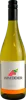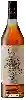
Maison Cochain & FilsServir Frais Pineau des Charentes
 Sweet wine
This wine generally goes well with

Details and technical informations about Maison Cochain & Fils's Servir Frais Pineau des Charentes.
Discover the grape variety: Riminèse
Simple, fresh dry whites with a pale golden colour, a supple palate with moderate acidity, and understated aromas of citrus and white flowers. Discreet rustic profile. Preserved in a few ampelographic collections for its heritage value, it belongs to the group of ancient varieties that have virtually disappeared from commercial production. A rare white grape variety, poorly documented, grown in negligible quantities.
Informations about the Maison Cochain & Fils
The Maison Cochain & Fils is one of of the world's greatest estates. It offers 5 wines for sale in the of Pineau des Charentes to come and discover on site or to buy online.

The wine region of Pineau des Charentes
AOC vin de liqueur of the Charentes (Cognac zone), made by mutage: fresh must + Cognac eau-de-vie, aged in cask min. 18 months. Charentais aperitif signature with notes of fresh grape, honey, candied fruits, citrus, soft vanilla and a hazelnut touch in white — deep gold robe, round velvety palate at 17% vol. Rosé version on Cabernet and Merlot brings strawberry and red fruits.
The wine region of Cognac
Charente vineyard dedicated to distillation for Cognac eau-de-vie (AOC 1936). Six signature ranked crus: Grande Champagne the most prestigious (elegance and length), fine Petite Champagne, round and floral Borderies, fruity Fins Bois, rustic Bons Bois, ordinary Bois. Spirits with grape, white flowers, dried fruits, vanilla, leather, spice and noble rancio notes — from young VS to long-aged XO. Ugni Blanc king (98%), Folle Blanche, Colombard.
The word of the wine: Nouaison
Phase of the vegetative cycle of the vine following flowering and corresponding to the formation of the grape berry.