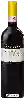
Winery Luigi BaudanaDolcetto d'Alba
 wine
wine
This wine generally goes well with
The Dolcetto d'Alba of the Winery Luigi Baudana is in the top 0 of wines of Dolcetto d'Alba.

Details and technical informations about Winery Luigi Baudana's Dolcetto d'Alba.
Discover the grape variety: Souvignier gris
Aromatic, structured whites and rosés with a sometimes salmon-tinged robe, ample palate and fresh acidity, showing aromas of exotic fruits (mango, passion fruit), citrus, peach, white flowers and muscat-like notes. Disease-resistant interspecific variety (mildew, powdery mildew and botrytis), driving organic vineyards in northern Europe: Germany, Switzerland, Netherlands, Belgium and UK. German hybrid created in 1983 in Freiburg (cabernet sauvignon × bronner).
Informations about the Winery Luigi Baudana
The Winery Luigi Baudana is one of of the world's greatest estates. It offers 10 wines for sale in the of Dolcetto d'Alba to come and discover on site or to buy online.

The wine region of Dolcetto d'Alba
Piedmontese DOC of the Langhe south of Alba, the everyday wine of Barolo and Barbaresco growers. Signature Dolcetto ("little sweet one"): purplish, fruity reds with signature notes of black cherry, blackberry, fresh plum, violet and bitter almond on the finish, present tannins but little acidity, a round and moreish palate — to drink young (1-3 years). A perfect match for cured meats, ragù pasta and Piedmontese cheeses. ~1,900 ha across 33+ communes.
The wine region of Piedmont
Kingdom of Nebbiolo: Barolo and Barbaresco DOCG, long-ageing reds with firm tannins and lively acidity, complex aromas of withered rose, sour cherry, tar, truffle and undergrowth. More accessible, tangy Barbera on red fruit, supple, crisp Dolcetto. Sweet, floral sparkling Moscato d'Asti, mineral, lemony Gavi (Cortese) white, round, almondy Arneis from Roero. 50,000 ha across the Langhe, Roero and Monferrato, UNESCO.
The word of the wine: Size (champagne)
Juices that flow from the press after the cuvée, at the second pressing. Less fine, often more vegetal, it is mainly used to make the first price champagnes.