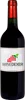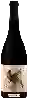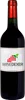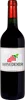
Winery Louis de CabegnacCôtes du Tarn
 Red wine



This wine generally goes well with

Details and technical informations about Winery Louis de Cabegnac's Côtes du Tarn.
Discover the grape variety: Nocera
Structured and elegant reds with a light to intense ruby colour, soft to firm tannins and silky palate, with signature aromas of red fruit (cherry, morello cherry), plum, sweet spices, Mediterranean garrigue and saline notes. A fresh, sunny Sicilian profile. Traditional component of blends in the Mamertino di Milazzo DOC appellation, signing the viticultural heritage of the province of Messina. An indigenous Italian black variety from Sicily.
Last vintages of this wine
The best vintages of Côtes du Tarn from Winery Louis de Cabegnac are 2018, 2016
Informations about the Winery Louis de Cabegnac
The Winery Louis de Cabegnac is one of of the world's greatest estates. It offers 5 wines for sale in the of Côtes du Tarn to come and discover on site or to buy online.

The wine region of Côtes du Tarn
Sud-Ouest IGP north of Toulouse around Gaillac: Gamay signature king red and rosé — signature light and harmonious with fresh crunchy red fruits (cherry, raspberry), Merlot, Cabernet Franc and Syrah in complement. Sauvignon, Muscadelle, Mauzac, Chardonnay signature in dry and lively whites with floral and fruity notes (peach, apricot). IGP (former Vin de Pays 2009), Tarn slopes gravelly and pebbly, oceanic-Mediterranean climate.
The wine region of Comté Tolosan
IGP covering all of southwest France across 12 departments, a broad and accessible palette. On the Garonne right bank, supple reds dominate: signature Merlot with signature notes of plum, ripe cherry, cocoa and a herbaceous touch, round tannins. Firm Cabernet, spicy Syrah, tannic local Tannat. Left bank for whites: vivid Colombard and Gros Manseng (citrus, grapefruit, exotic fruits), aromatic Sauvignon.
The word of the wine: Yeast
Micro-organisms at the base of all fermentative processes. A wide variety of yeasts live and thrive naturally in the vineyard, provided that treatments do not destroy them. Unfortunately, their replacement by laboratory-selected yeasts is often the order of the day and contributes to the standardization of the wine. Yeasts are indeed involved in the development of certain aromas.