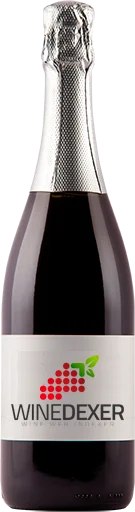
Winery L'Orval1531 Blanquette de Limoux
 Sparkling wine
This wine generally goes well with

Details and technical informations about Winery L'Orval's 1531 Blanquette de Limoux.
Discover the grape variety: Grauburgunder
Structured, full-bodied dry whites with a slightly copper-tinged pale golden colour, ample palate and moderate acidity, showing signature aromas of yellow fruits (pear, peach, apricot), honey, smoke, almond and spiced notes. Also produced as off-dry and botrytised sweet wines. Makes great German-speaking whites in Germany (Baden, Palatinate), Austria, northern Italy (Südtirol) and Switzerland. German synonym for pinot gris, a French grey variety native to Burgundy.
Informations about the Winery L'Orval
The Winery L'Orval is one of wineries to follow in Blanquette de Limoux.. It offers 7 wines for sale in the of Blanquette de Limoux to come and discover on site or to buy online.

The wine region of Blanquette de Limoux
France's first sparkling AOC (1938, predating Champagne): Mauzac signature sparkling white king (≥90%, 'blanquette' for white down on leaf underside) complemented by Chenin and Chardonnay — traditional or ancestral method (bottling March descending moon, 100% Mauzac) signatures, light profile with very fine bubbles and typical green apple and pear notes, delicate sweetness. Mediterranean influences and Pyrenean freshness, slow ripening.
The wine region of Languedoc-Roussillon
Largest single French vineyard, dominated by sunny, generous reds. Spicy Syrah, candied Grenache (ripe fruit, garrigue), structured Carignan, deep Mourvèdre, supple Cinsault. Stars: structured Corbières, Minervois, Faugères, Saint-Chinian; round Côtes-du-Roussillon. Legendary vins doux naturels: Banyuls and Maury (fortified Grenache) with notes of cocoa, fig, prune.
The word of the wine: Magnum
Bottle with a capacity of 1.5 litres.