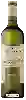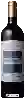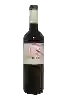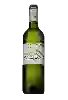
Château Lestage-DarquierMoulis
 wine
wine
This wine generally goes well with
The Moulis of the Château Lestage-Darquier is in the top 0 of wines of Moulis-en-Médoc.

Details and technical informations about Château Lestage-Darquier's Moulis.
Discover the grape variety: Freisa
Aromatic, tannic reds with a bright ruby robe, firm tannins and high acidity, with intense aromas of wild strawberry, raspberry, rose, violet, spice and slightly bitter notes on the finish. Often made as frizzante (lightly sparkling) and sometimes sweet, rarely as still dry reds for ageing. Star of Piedmontese Freisa d'Asti DOC and Freisa di Chieri DOC around Turin. Autochthonous Piedmontese variety, genetically related to Nebbiolo.
Informations about the Château Lestage-Darquier
The Château Lestage-Darquier is one of of the world's greatest estates. It offers 4 wines for sale in the of Moulis-en-Médoc to come and discover on site or to buy online.

The wine region of Moulis-en-Médoc
Communal AOC of the Medoc (highest point 43 m, ~600 ha): signature Cabernet Sauvignon as red king (45-70% depending on soils) complemented by Merlot (roundness, fruit), Petit Verdot (color, spices) and Cabernet Franc (finesse) — complex signature profile with fresh red fruits, cooked fruits, vanilla, cinnamon, licorice, violet, roasted coffee and undergrowth, velvety tannic frame, mellow and full. Garonne gravels east, clay-limestone center, Pyrenean gravels west.
The wine region of Bordeaux
World-renowned age-worthy reds, led by round Merlot (plum, black fruit) or firm Cabernet Sauvignon (blackcurrant, cedar, graphite), blended with Cabernet Franc and Petit Verdot for tannic structure. Structured Médoc and Graves, velvety Saint-Émilion and Pomerol. Also crisp dry whites (Sauvignon/Sémillon) and opulent sweet Sauternes with honey and candied fruit. A 110,000 ha Gironde vineyard, 65 appellations, cradle of the 1855 classified growths.
The word of the wine: Effervescent
Any wine loaded with CO2 (carbon dioxide), which is revealed in the form of bubbles, reinforcing the freshness effect in the mouth. This gas production is the result of what is called the second fermentation in the bottle. It occurs in champagnes and sparkling wines such as crémants.