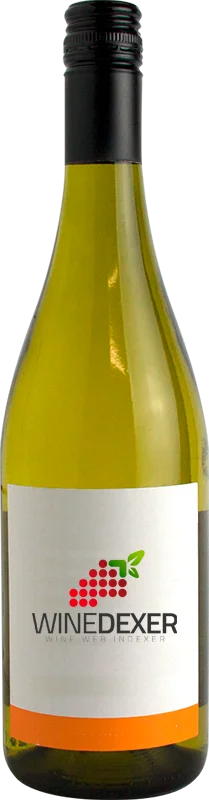
Winery Les Fils de Claudius BarletJacquère
 White wine


This wine generally goes well with

Wine flavors and olphactive analysis

Details and technical informations about Winery Les Fils de Claudius Barlet's Jacquère.
Discover the grape variety: Jacquère
Lively and thirst-quenching whites with a pale colour, a lean palate and brisk acidity, on delicate aromas of white flowers (hawthorn), citrus, green apple, fresh almond and characteristic alpine mineral notes of flint. Light finish, best drunk young. The absolute star of Vin de Savoie AOC crus (Apremont, Abymes, Chignin, Cruet) on the limestone scree of Mont Granier. Native Savoyard variety, the most planted in the French alpine vineyards.
Last vintages of this wine
The best vintages of Jacquère from Winery Les Fils de Claudius Barlet are 2016, 2017
Informations about the Winery Les Fils de Claudius Barlet
The Winery Les Fils de Claudius Barlet is one of of the world's great estates. It offers 14 wines for sale in the of Vin de Savoie to come and discover on site or to buy online.

The wine region of Vin de Savoie
French Alpine AOC between lakes and mountains (~1,755 ha, 71% whites). Lively, mineral whites dominate. Signature Jacquere of the Apremont, Abymes, Chignin crus: with signature notes of white flowers, green apple, citrus, almond and gunflint, a taut and thirst-quenching palate — the Savoyard aperitif with fondue or raclette. Altesse (Roussette) more noble and broad (honey, hazelnut, ripe citrus).
The wine region of Savoie
French Alpine vineyard with unique native grapes. Signature Jacquère in whites (~50% of the vineyard): lively, light dry wines with white flowers, green apple, citrus, fresh almond and a mineral touch, perfect with fondue and raclette. Ampler Altesse (Roussette) (pear, honey, hazelnut). Fruity, peppery Mondeuse reds (cherry, violet, firm tannins), light Gamay and fine Pinot Noir.
The word of the wine: Tanin
A natural compound contained in the skin of the grape, the seed or the woody part of the bunch, the stalk. The maceration of red wines allows the extraction of tannins, which give the texture, the solidity and also the mellowness when the tannins are "ripe". The winemaker seeks above all to extract the tannins from the skin, the ripest and most noble. The tannins of the seed or stalk, which are "greener", especially in average years, give the wine hardness and astringency. The wines of Bordeaux (based on Cabernet and Merlot) are full of tannins, those of Burgundy much less so, with Pinot Noir containing little.