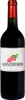
Winery Les Ceps de MontmayBeaujolais-Villages Rosé
 wine
wine
This wine generally goes well with
The Beaujolais-Villages Rosé of the Winery Les Ceps de Montmay is in the top 0 of wines of Beaujolais-Villages.

Details and technical informations about Winery Les Ceps de Montmay's Beaujolais-Villages Rosé.
Discover the grape variety: Riminèse
Simple, fresh dry whites with a pale golden colour, a supple palate with moderate acidity, and understated aromas of citrus and white flowers. Discreet rustic profile. Preserved in a few ampelographic collections for its heritage value, it belongs to the group of ancient varieties that have virtually disappeared from commercial production. A rare white grape variety, poorly documented, grown in negligible quantities.
Informations about the Winery Les Ceps de Montmay
The Winery Les Ceps de Montmay is one of of the world's greatest estates. It offers 2 wines for sale in the of Beaujolais-Villages to come and discover on site or to buy online.

The wine region of Beaujolais-Villages
Quality, gourmet Beaujolais of Gamay. Fruity, crunchy reds with signature notes of cherry, raspberry, crushed strawberry and flowers (peony, violet), supple tannins and a thirst-quenching palate. Intermediate quality between generic Beaujolais and the 10 Crus, across 38 communes of the vineyard's northern hillsides. A few minority rosés and Chardonnay whites.
The wine region of Beaujolais
Kingdom of Gamay (98% of the vineyard): fruity, accessible reds with signature notes of cherry, raspberry, banana (carbonic maceration), violet and sweet spices, supple tannins and juicy acidity. From festive Beaujolais Nouveau (3rd Thursday of November) to the 10 more structured, age-worthy Crus: deep earthy Morgon, sturdy Moulin-à-Vent, floral Fleurie, crunchy Brouilly. Some lively Chardonnay. 12,000 ha south of Burgundy, granitic soils.
The word of the wine: Phenolic ripeness
A distinction is made between the ripeness of sugars and acids and the ripeness of tannins and other compounds such as anthocyanins and tannins, which will bring structure and colour. Grapes can be measured at 13° potential without having reached this phenolic maturity. Vinified at this stage, they will give hard, astringent wines, without charm.