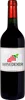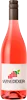
Les Caves MolièreRosé de Caux
 Pink wine



In the mouth this pink wine is a with a nice freshness.
This wine generally goes well with vegetarian, appetizers and snacks or lean fish.

Taste structure of the Rosé de Caux from the Les Caves Molière
Light | Bold | |
Dry | Sweet | |
Soft | Acidic |
In the mouth the Rosé de Caux of Les Caves Molière in the region of Languedoc-Roussillon is a with a nice freshness.
Food and wine pairings with Rosé de Caux
Pairings that work perfectly with Rosé de Caux



Original food and wine pairings with Rosé de Caux


The Rosé de Caux of Les Caves Molière matches generally quite well with dishes of pasta, vegetarian or appetizers and snacks such as recipes of the corsican soup, zucchini quiche or boquerones anchovies in vinegar.
Details and technical informations about Les Caves Molière's Rosé de Caux.
Discover the grape variety: Othello
Colourful reds with the characteristic foxy taste of Vitis labrusca, a sustained ruby robe, soft tannins and an airy palate, with typical labruscoid aromas (wild strawberry, candy). In France, it is among the six hybrids banned since 1935 (with Clinton, Herbemont, Isabelle, Jacquez, Noah), still found in heritage trellises. French black hybrid obtained by Henri Bouschet (folle blanche × clinton).
Informations about the Les Caves Molière
The Les Caves Molière is one of of the world's greatest estates. It offers 23 wines for sale in the of Pézenas to come and discover on site or to buy online.

The wine region of Pézenas
Languedoc-Pezenas AOC (~177 ha, schist, limestone, alluvial and volcanic formations, dry Mediterranean climate): signature Syrah, Grenache and Mourvedre as red kings (>=70%, <=75% each) complemented by Cinsault and Carignan — complex profile with intense black fruits (blackcurrant, blackberry), garrigue, Mediterranean spices, licorice and cocoa touches, powerful palate with fine tannins. Native Lledoner Pelut as complement. ~6,100 hl, volcanic signature terroir.
The wine region of Languedoc-Roussillon
Largest single French vineyard, dominated by sunny, generous reds. Spicy Syrah, candied Grenache (ripe fruit, garrigue), structured Carignan, deep Mourvèdre, supple Cinsault. Stars: structured Corbières, Minervois, Faugères, Saint-Chinian; round Côtes-du-Roussillon. Legendary vins doux naturels: Banyuls and Maury (fortified Grenache) with notes of cocoa, fig, prune.
The word of the wine: Grape varieties
All the grape varieties that make up a vineyard, an appellation, a wine region.