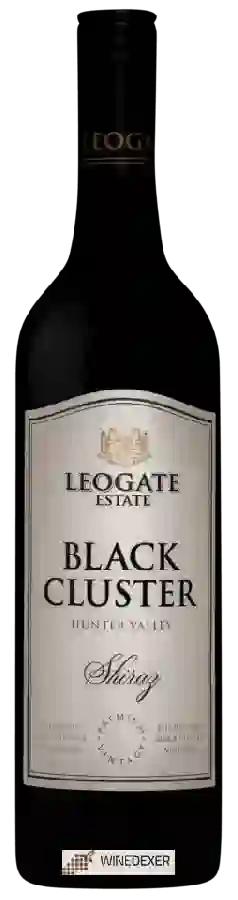
Leogate EstateBlack Cluster Shiraz
 wine
wine
This wine generally goes well with
The Black Cluster Shiraz of the Leogate Estate is in the top 0 of wines of Hunter Valley.

Details and technical informations about Leogate Estate's Black Cluster Shiraz.
Discover the grape variety: Muscat reine des vignes
Table grape with medium bunches and golden berries with thin skin and muscat-flavoured flesh, with a sweet aromatic flavour (rose, fresh grapes). Early ripening. Very rarely vinified, occasionally as aromatic muscat-style whites. Grown for fresh consumption in central and eastern Europe, prized for its attractive appearance and typical muscat grape flavour. Aromatic white variety sometimes listed as a synonym of Hungarian Irsai Oliver.
Last vintages of this wine


The best vintages of Black Cluster Shiraz from Leogate Estate are 2019, 0
Informations about the Leogate Estate
The Leogate Estate is one of of the world's greatest estates. It offers 36 wines for sale in the of Hunter Valley to come and discover on site or to buy online.

The wine region of Hunter Valley
Cradle of Australian viticulture (1825), 160 km north of Sydney. World signature: dry low-alcohol Sémillon (10-11°) with fresh citrus notes in youth, evolving after 10-15 years to candied lemon, toast, honey and beeswax, spectacular ageing. Medium-bodied "Hunter style" Shiraz, supple and earthy (leather, plum, sweet spices), capable of decades. Also Chardonnay and Verdelho.
The wine region of Nouvelle-Galles du Sud
Australia's 2nd wine state with diverse regions. Iconic Hunter Valley: a Sémillon unlike any other, straight, low-alcohol dry whites with vivid citrus when young, evolving over 10-20 years toward honey, toast and lanolin. Medium-bodied Hunter Shiraz, spicy and earthy (leather, red fruits). Also round Chardonnay and aromatic Verdelho.
The word of the wine: Serious
A Bordeaux term for small pebbles from the Pyrenees, eroded, rounded and transported by the Garonne to Aquitaine. They are mainly found on the left bank in the area.... known as the Graves, and further downstream in the Médoc. By extension, gravel is found in other regions, brought by other rivers or even glaciers.