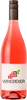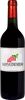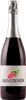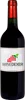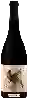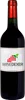
Winery Labastide de LevisRichefont Côtes du Tarn Rouge
 Red wine
This wine generally goes well with

Details and technical informations about Winery Labastide de Levis's Richefont Côtes du Tarn Rouge.
Discover the grape variety: Piquepoul
Languedoc family with very high acidity, aromatic signature of southern France. Piquepoul Blanc gives lively, saline whites (Picpoul de Pinet AOC) with notes of citrus, white flowers and marine iodine, ideal with oysters. Piquepoul Noir gives fruity, fresh reds, one of the thirteen authorised varieties at Châteauneuf-du-Pape. French autochthonous variety from Languedoc, in white, black and grey versions.
Informations about the Winery Labastide de Levis
The Winery Labastide de Levis is one of wineries to follow in Côtes du Tarn.. It offers 131 wines for sale in the of Côtes du Tarn to come and discover on site or to buy online.

The wine region of Côtes du Tarn
Sud-Ouest IGP north of Toulouse around Gaillac: Gamay signature king red and rosé — signature light and harmonious with fresh crunchy red fruits (cherry, raspberry), Merlot, Cabernet Franc and Syrah in complement. Sauvignon, Muscadelle, Mauzac, Chardonnay signature in dry and lively whites with floral and fruity notes (peach, apricot). IGP (former Vin de Pays 2009), Tarn slopes gravelly and pebbly, oceanic-Mediterranean climate.
The wine region of Comté Tolosan
IGP covering all of southwest France across 12 departments, a broad and accessible palette. On the Garonne right bank, supple reds dominate: signature Merlot with signature notes of plum, ripe cherry, cocoa and a herbaceous touch, round tannins. Firm Cabernet, spicy Syrah, tannic local Tannat. Left bank for whites: vivid Colombard and Gros Manseng (citrus, grapefruit, exotic fruits), aromatic Sauvignon.
The word of the wine: Draft liquor (champagne)
After blending, the wine is bottled with a liqueur de tirage (a mixture of sugar and wine) and a yeast (selected yeasts). The yeast attacks the sugar and creates carbon dioxide. The fermentation, which lasts about two months, is prolonged by an ageing period (15 months minimum in total). The bottle is capped (some rare vintages are capped with a staple and a cork).