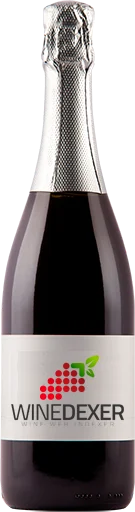
Winery KeushAreni Rosé Extra Brut
 Sparkling wine


This wine generally goes well with
The Areni Rosé Extra Brut of the Winery Keush is in the top 80 of wines of Armenia and in the top 10 of wines of Vayots Dzor.

Details and technical informations about Winery Keush's Areni Rosé Extra Brut.
Discover the grape variety: Perdéa
Simple, fresh dry whites with a pale golden colour, a supple palate with moderate acidity, and understated aromas of citrus and white flowers. Discreet rustic profile. Nearly extinct, preserved in INRAE varietal collections for its heritage value, it reflects the pre-phylloxera ampelographic diversity of the South-West. A rare French white grape variety once cultivated in the South-West.
Last vintages of this wine
The best vintages of Areni Rosé Extra Brut from Winery Keush are 0
Informations about the Winery Keush
The Winery Keush is one of of the world's greatest estates. It offers 5 wines for sale in the of Vayots Dzor to come and discover on site or to buy online.

The wine region of Vayots Dzor
South-eastern Armenia, cradle of the world's vine (Areni-1 cave, ~4100 BC), altitude vineyards 1,000-1,800 m on ungrafted vines. Areni Noir signature indigenous red: elegant and structured with notes of red cherry, raspberry, pomegranate, undergrowth, spices and a volcanic mineral touch, fine tannins and lively acidity — often compared to Pinot Noir. Rare Voskehat white (citrus, green apple, almond). Renaissance led by Zorah, Trinity, Hin Areni.
The word of the wine: Sweet (flavor)
The flavour provided by the residual sugars naturally present in the wine as well as by certain alcohols. This sensation can range from a simple impression of smoothness to a clear sweetness. We speak of roundness, fatness and mellowness.