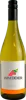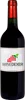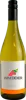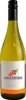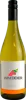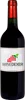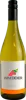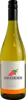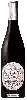
Winery J.R.BrilletDomaine Brillet Maine des Aireaux
 Red wine
This wine generally goes well with

Details and technical informations about Winery J.R.Brillet's Domaine Brillet Maine des Aireaux.
Discover the grape variety: Catarratto Lucido
Lively and fruity dry whites with a pale golden robe, a lean palate with more marked acidity than Catarratto Comune, showing signature aromas of citrus (lemon), white flowers, white-fleshed fruits and Mediterranean notes. Also the base of fortified Marsala. Star of Alcamo DOC, Etna Bianco DOC and Marsala DOC, signing the great modern Sicilian whites. Tight-cluster variation of Catarratto, native Sicilian white grape.
Informations about the Winery J.R.Brillet
The Winery J.R.Brillet is one of of the world's greatest estates. It offers 4 wines for sale in the of Charentais to come and discover on site or to buy online.

The wine region of Charentais
IGP of Charente and Charente-Maritime, historic terroir of Cognac: Ugni Blanc and Colombard as signature white kings — fresh and taut with lively notes of citrus, white flowers (linden, orange blossom), exotic fruits, peach and a boxwood touch, signature acidity and a moreish finish. Sauvignon, Chardonnay, Chenin and Merlot Blanc as complements. Reds (Merlot, Cabernet, Gamay) and fruity rosés also produced. IGP, varied soils (limestone, clay, sand), temperate oceanic climate.
The wine region of Atlantique
Nouvelle-Aquitaine regional IGP covering the Bordeaux area outside AOC (Gironde, Charentes, Dordogne, northern Lot-et-Garonne). Vast palette for gourmet everyday wines. Supple fruity Merlot reds (plum, cherry, blackberry), firm Cabernet Sauvignon (blackcurrant, cedar), peppery Cabernet Franc, light Gamay. Lively Sauvignon whites (citrus, boxwood), round Chardonnay, tense Chenin, fresh Colombard.
The word of the wine: Performance
Quantity of grapes harvested per hectare. In AOC, the average yield is limited on the proposal of the appellation syndicate, validated by the Inao. The use of high-performance plant material (especially clones) and better control of vine diseases have increased yields. This is not without consequences on the quality of the wines (dilution) and on the state of the market (too much wine). We must not over-simplify: low yields are not synonymous with quality, and it is often in years with generous harvests that we find the greatest vintages (1982 and 1986 in Bordeaux, 1996 in Champagne, 1990 and 2005 in Burgundy...).