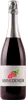
Winery Von HövelKanzemer Hörecker Riesling Auslese
 wine
wine
This wine generally goes well with
The Kanzemer Hörecker Riesling Auslese of the Winery Von Hövel is in the top 0 of wines of Kanzem.

Details and technical informations about Winery Von Hövel's Kanzemer Hörecker Riesling Auslese.
Discover the grape variety: Maréchal Joffre
Colourful, fruity reds to drink young with a sustained ruby robe, moderate tannins and an airy palate, and signature aromas of red and black fruits (cherry, blackberry) and simple notes. An accessible profile for cold climates. Grown mainly in Canada (Quebec, Ontario) and the northeastern United States, adapted to harsh continental vineyards. A black hybrid grape bred in Alsace in the early 20th century by Eugène Kuhlmann.
Last vintages of this wine


The best vintages of Kanzemer Hörecker Riesling Auslese from Winery Von Hövel are 0
Informations about the Winery Von Hövel
The Winery Von Hövel is one of of the world's great estates. It offers 51 wines for sale in the of Kanzem to come and discover on site or to buy online.

The wine region of Kanzem
Historic village on the Saar (Germany) in the greater Mosel region, dominated by the Grosse Lage Altenberg on a vertiginous slope (50-85%) of grey and red ferruginous slate. Riesling is the exclusive white: tense and crystalline with intense notes of citrus, peach, green apple, white flowers and a slate-iodine touch, cutting acidity — from lively Kabinett to ample Spätlese and Auslese, exceptional aging. Legendary Eiswein and late-harvest wines. VDP benchmark.
The wine region of Mosel
Kingdom of lively, crystalline Riesling: citrus, green apple, gunflint, tangy tension and signature slate minerality. From light, fruity Kabinett to off-dry Spätlese, up to sweet Auslese and Trockenbeerenauslese of rare finesse. Some supple Müller-Thurgau and lively Elbling. Steeply sloped vineyards (up to 65% at the Bremmer Calmont) on blue and grey slate, 5,400 ha of Riesling (61.
The word of the wine: Performance
Quantity of grapes harvested per hectare. In AOC, the average yield is limited on the proposal of the appellation syndicate, validated by the Inao. The use of high-performance plant material (especially clones) and better control of vine diseases have increased yields. This is not without consequences on the quality of the wines (dilution) and on the state of the market (too much wine). We must not over-simplify: low yields are not synonymous with quality, and it is often in years with generous harvests that we find the greatest vintages (1982 and 1986 in Bordeaux, 1996 in Champagne, 1990 and 2005 in Burgundy...).