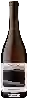
Winery HarmoniqueUn-Oaked Chardonnay
 wine
wine
This wine generally goes well with
The Un-Oaked Chardonnay of the Winery Harmonique is in the top 0 of wines of Anderson Valley.

Details and technical informations about Winery Harmonique's Un-Oaked Chardonnay.
Discover the grape variety: Montonico bianco
Structured, lively whites with a pale golden robe, a taut palate with pronounced acidity, and signature aromas of yellow fruits (peach, apricot), citrus (lemon), almonds and herbal notes. Also used as a base for sparkling wines and sweet passito. Often vinified dry, contributing to the identity of southern Abruzzi and Calabria whites. Italian white grape grown in Abruzzo and Calabria.
Informations about the Winery Harmonique
The Winery Harmonique is one of of the world's greatest estates. It offers 5 wines for sale in the of Anderson Valley to come and discover on site or to buy online.

The wine region of Anderson Valley
Cool, foggy Navarro River valley in Mendocino (AVA 1983): ultra-dominant signature Pinot Noir as king red (69%) — refined, taut reds, saline acidity and aromas of cherry and sweet spices. Lively, taut Chardonnay (21%) as king white. Aromatic Alsatian Gewurztraminer (4%) and Riesling (1%), floral Pinot Gris. A speciality of traditional-method sparkling wines (Roederer, Scharffenberger), a maritime Burgundian and Alsatian identity.
The wine region of California
Powerful, sunny reds: dense Napa Cabernet Sauvignon (blackcurrant, chocolate, tobacco, ample tannins), spicy, jammy Zinfandel from the Sierra Foothills, silky red-fruited Pinot Noir on the cool coast (Sonoma, Russian River, Central Coast). Opulent, buttery Chardonnay, notes of yellow fruit and vanilla. Varied climate, from the hot interior to the Pacific-cooled coast. 80% of US production, 139 AVAs including Napa (1st AVA, 1981).
The word of the wine: Juice
The juice of wine grapes (intended for wine making) is colourless. It is the anthocyanins contained in the grape skin that colour the juice during maceration.