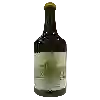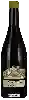
Winery Guy BoudetVin de Paille Côtes du Jura
 Sweet wine
This wine generally goes well with

Details and technical informations about Winery Guy Boudet's Vin de Paille Côtes du Jura.
Discover the grape variety: Lucie-kuhlmann
Colourful, fruity reds to drink young, with a sustained ruby colour, moderate tannins and an airy palate, with signature aromas of red and black fruits (cherry, blackberry) and simple notes. Accessible profile for cold climates. Grown mainly in Canada (Quebec, Nova Scotia) and the north-eastern United States for continental cold-climate vineyards. A black hybrid bred in 1911 by Eugène Kuhlmann in Alsace, cold and mildew-resistant.
Informations about the Winery Guy Boudet
The Winery Guy Boudet is one of wineries to follow in Côtes du Jura.. It offers 1 wines for sale in the of Côtes du Jura to come and discover on site or to buy online.

The wine region of Côtes du Jura
Regional Jura AOC, atypical wines of strong identity. Fresh, straight Chardonnay as classic white (white flowers, citrus, apple). Savagnin under flor, oxidative signature: unique whites with notes of fresh walnut, curry, honey, overripe apple and toasted almond — the base of the legendary Vin Jaune aged 6 years in cask. Light-ruby, fruity Poulsard (strawberry, raspberry), tannic, animal Trousseau as reds.
The wine region of Jura
Unique Franche-Comté region between Burgundy and Switzerland, incomparable oxidative identity. Signature mythical Vin Jaune from Savagnin: aged 6 years 3 months in cask under flor, intense whites with signature green walnut, curry, cumin, russet apple, honey and lingering iodine — 62 cl clavelin, century-long ageing. Also classic topped-up Chardonnay (citrus, butter), pale light Poulsard red (strawberry, undergrowth), dense Trousseau, fine Pinot Noir. Sweet Vin de Paille.
The word of the wine: Performance
Quantity of grapes harvested per hectare. In AOC, the average yield is limited on the proposal of the appellation syndicate, validated by the Inao. The use of high-performance plant material (especially clones) and better control of vine diseases have increased yields. This is not without consequences on the quality of the wines (dilution) and on the state of the market (too much wine). We must not over-simplify: low yields are not synonymous with quality, and it is often in years with generous harvests that we find the greatest vintages (1982 and 1986 in Bordeaux, 1996 in Champagne, 1990 and 2005 in Burgundy...).