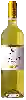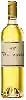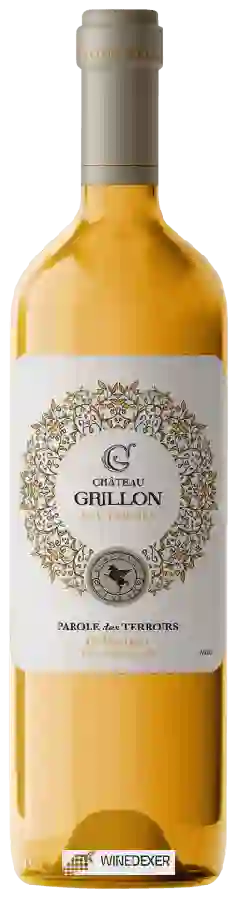
Château GrillonParole des Terroirs Collection Sauternes
 wine
wine
This wine generally goes well with
The Parole des Terroirs Collection Sauternes of the Château Grillon is in the top 0 of wines of Sauternes.

Details and technical informations about Château Grillon's Parole des Terroirs Collection Sauternes.
Discover the grape variety: Triomphe d'Alsace
Deeply coloured, fruity reds with a full ruby robe, supple tannins, and an airy palate with moderate acidity, offering red-fruit aromas and slightly foxy hybrid notes. Early-ripening and cold-hardy. Grown mainly in Canada (Quebec, Ontario) and the northeastern USA for vineyards with harsh continental climates. A French black hybrid obtained in 1923 by Eugène Kuhlmann in Alsace.
Last vintages of this wine


The best vintages of Parole des Terroirs Collection Sauternes from Château Grillon are 2016, 0
Informations about the Château Grillon
The Château Grillon is one of of the world's greatest estates. It offers 4 wines for sale in the of Sauternes to come and discover on site or to buy online.

The wine region of Sauternes
Iconic Bordeaux AOC for noble sweet wines, left bank of the Garonne. Golden whites with signature notes of honey, candied apricot, exotic fruit, orange peel, saffron and a finish tightened by chiselled acidity, opulent yet nervy palate — a great age-worthy wine of emotion. Botrytised Semillon dominates (Ciron 'noble rot') concentrating sugars, Sauvignon Blanc adds vivacity, Muscadelle perfume. ~1,416 ha across 5 villages.
The wine region of Bordeaux
World-renowned age-worthy reds, led by round Merlot (plum, black fruit) or firm Cabernet Sauvignon (blackcurrant, cedar, graphite), blended with Cabernet Franc and Petit Verdot for tannic structure. Structured Médoc and Graves, velvety Saint-Émilion and Pomerol. Also crisp dry whites (Sauvignon/Sémillon) and opulent sweet Sauternes with honey and candied fruit. A 110,000 ha Gironde vineyard, 65 appellations, cradle of the 1855 classified growths.
The word of the wine: Size (champagne)
Juices that flow from the press after the cuvée, at the second pressing. Less fine, often more vegetal, it is mainly used to make the first price champagnes.