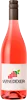
Winery Gran ViñaSangria
 Sweet wine


This wine generally goes well with

Details and technical informations about Winery Gran Viña's Sangria.
Discover the grape variety: Dattier de Beyrouth
Table grape with long clusters and elongated golden berries (date-shaped, hence the name), thin skin and crunchy flesh, with a pleasant sweet flavour. Very rarely vinified. Grown in the eastern Mediterranean (Lebanon, Syria, Turkey, Greece), southern Europe and North Africa, prized for its attractive appearance and extended cold-storage life. Historic white table grape variety originating from the Levant (probably Lebanon).
Last vintages of this wine
The best vintages of Sangria from Winery Gran Viña are 0
Informations about the Winery Gran Viña
The Winery Gran Viña is one of of the world's greatest estates. It offers 5 wines for sale in the of Vino da Tavola to come and discover on site or to buy online.

The wine region of Vino da Tavola
The freest category of Italian wine, with no grape or zone constraint. All styles: bold reds based on Bordeaux grapes (Cabernet, Merlot), atypical blends, maker's cuvées outside DOC rules. Historic cradle of the "Super Tuscans" in the 1960s-80s (Sassicaia, Tignanello, Ornellaia) before the creation of IGT in 1992. Today dedicated to everyday wines or winemaker experiments.
The word of the wine: Grenache gris
A grey variety of Grenache grown in the Pyrénées-Orientales, the Aude and the southern Rhône valley. Its powerful and round wines are used in the blending of dry white or rosé wines and natural sweet wines.