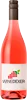
Winery Gipsie JackBlanc de Blancs
 wine
wine
This wine generally goes well with
The Blanc de Blancs of the Winery Gipsie Jack is in the top 0 of wines of Langhorne Creek.

Details and technical informations about Winery Gipsie Jack's Blanc de Blancs.
Discover the grape variety: Vilana
Dry, vivid and fresh whites with a pale golden robe, slender mouthfeel and preserved acidity, with delicate aromas of citrus (lemon, grapefruit), green apple, pear, white flowers, Mediterranean herbs and saline mineral notes. Thirst-quenching profile and aromatic finesse. Star of Peza PDO in central Crete (Heraklion), often blended with Vidiano and Thrapsathiri. An autochthonous Greek Cretan variety, signature of easy-drinking island whites and the viticultural revival of Crete.
Informations about the Winery Gipsie Jack
The Winery Gipsie Jack is one of of the world's greatest estates. It offers 13 wines for sale in the of Langhorne Creek to come and discover on site or to buy online.

The wine region of Langhorne Creek
Discreet Australian region south-east of Adelaide (Fleurieu Peninsula): signature Shiraz and Cabernet as king reds — opulent and velvety with notes of blackberry, blackcurrant, plum, chocolate, eucalyptus and a spice touch, round tannins and signature bright fruit, a long finish. Dense, sunny Malbec, a renowned backup. Fresh Verdelho as white. GI (1998), Bremer alluvial plain between Lake Alexandrina and Mt Lofty, breezes off Gulf Saint Vincent, deep silt-clays.
The wine region of Australie du Sud
Cradle of the great Australian Shiraz: powerful, sun-drenched reds with notes of blackberry, candied plum, pepper, chocolate and eucalyptus, ample tannins and vibrant fruit (Barossa, McLaren Vale). Firm, minty Cabernet Sauvignon on Coonawarra (terra rossa). Dry, lemony Riesling from Clare and Eden Valley, straight and taut. Fresh Sauvignon and Chardonnay from Adelaide Hills.
The word of the wine: Sour
Said of a wine that is unpleasantly pungent and has a vinegar-like odour.