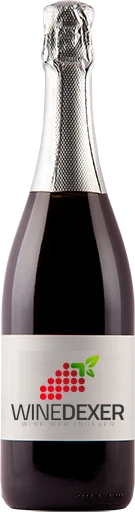
Winery GaladinoBianco Frizzante
 Sparkling wine


This wine generally goes well with
Details and technical informations about Winery Galadino's Bianco Frizzante.
Discover the grape variety: Arandell
An interspecific cross between NY88.0514.0184 and NY84.0101.03 obtained in 1995 by Bruce Reisch at the Experimental Station of Cornell University in Geneva (United States). It is found in some American wine regions, interesting for its resistance to the main cryptogamic diseases and for its wine in particular in the production of original rosés. In France, it is almost unknown.
Last vintages of this wine
The best vintages of Bianco Frizzante from Winery Galadino are 0
Informations about the Winery Galadino
The Winery Galadino is one of of the world's great estates. It offers 38 wines for sale in the of Colli Trevigiani to come and discover on site or to buy online.

The wine region of Colli Trevigiani
The wine region of Colli Trevigiani is located in the region of Vénétie of Italy. Wineries and vineyards like the Domaine Costadilà or the Domaine Serafini & Vidotto produce mainly wines red, white and sparkling. The most planted grape varieties in the region of Colli Trevigiani are Merlot, Cabernet-Sauvignon and Cabernet franc, they are then used in wines in blends or as a single variety. On the nose of Colli Trevigiani often reveals types of flavors of citrus, sour cherry or lychee and sometimes also flavors of vegetal, floral or tropical fruit.
The wine region of Veneto
Veneto is an important and growing wine region in northeastern Italy. Veneto is administratively Part of the Triveneto area, aLong with its smaller neighbors, Trentino-Alto Adige and Friuli-Venezia Giulia. In terms of geography, culture and wine styles, it represents a transition from the Alpine and Germanic-Slavic end of Italy to the warmer, drier, more Roman lands to the South. Veneto is slightly smaller than the other major Italian wine regions - Piedmont, Tuscany, Lombardy, Puglia and Sicily - but it produces more wine than any of them.
The word of the wine: Tartar (deposit)
White, chalky deposits that occur as a result of precipitation inside bottles and are often considered by consumers as a defect. They are in fact tartaric salts formed by tartaric acid, potassium and calcium naturally present in the wine. This deposit does not alter the quality of the wine and can be eliminated by a simple decanting.