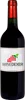
Winery FrontemuraSi Vir Es Bergamasca Moscato Rosso
 wine
wine
This wine generally goes well with
The Si Vir Es Bergamasca Moscato Rosso of the Winery Frontemura is in the top 0 of wines of Bergamasca.

Details and technical informations about Winery Frontemura's Si Vir Es Bergamasca Moscato Rosso.
Discover the grape variety: Oeillade blanche
Simple, dry whites with a pale golden robe, a supple palate with moderate acidity, and undemonstrative aromas of citrus and white flowers. Discreet southern rustic profile. Almost extinct, preserved in INRAE varietal collections for its heritage value, bearing witness to the pre-phylloxera ampelographic diversity of the southern vineyard. Rare French white grape, formerly grown in Provence and the south-east.
Informations about the Winery Frontemura
The Winery Frontemura is one of of the world's greatest estates. It offers 5 wines for sale in the of Bergamasca to come and discover on site or to buy online.

The wine region of Bergamasca
Lombard IGT on the alpine foothills around Bergamo (67 ha). Signature dry reds: firm Cabernet Sauvignon (blackcurrant, blackberry, cedar, tobacco) and supple Merlot (plum, cherry, chocolate) in single variety or blend, round tannins and structured palate. Rare Moscato Nero (Moscato di Scanzo) speciality — ultra-confidential sweet muscat red from the heights. Aromatic white Moscato as complement (rose, citrus, honey).
The wine region of Lombardia
Three poles. Franciacorta DOCG, Italy's answer to Champagne: elegant brioche traditional-method sparklers (Chardonnay, Pinot Noir, Pinot Blanc), fine bubble and mineral profile. Alpine Valtellina: Nebbiolo (alias Chiavennasca) with fine tannins and red fruits, powerful Sforzato passito. Oltrepò Pavese: fresh Pinot Noir and fruity-sparkling Bonarda.
The word of the wine: Maturing (champagne)
After riddling, the bottles are stored on "point", upside down, with the neck of one bottle in the bottom of the other. The duration of this maturation is very important: in contact with the dead yeasts, the wine takes on subtle aromas and gains in roundness and fatness. A brut without year must remain at least 15 months in the cellar after bottling, a vintage 36 months.