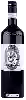
Winery Fratelli Pezzuto - MalotRoero Valmaggiore
 wine
wine
This wine generally goes well with
The Roero Valmaggiore of the Winery Fratelli Pezzuto - Malot is in the top 0 of wines of Roero.

Details and technical informations about Winery Fratelli Pezzuto - Malot's Roero Valmaggiore.
Discover the grape variety: Siegerrebe
Aromatic, opulent whites with a golden robe, ample palate and moderate acidity, showing intense, signature aromas of muscat, rose, lychee, mango, ripe yellow fruits (peach, apricot) and white flowers evoking gewürztraminer. Often vinified off-dry or sweet. Grown in Germany (Rheinhessen, Pfalz), England, British Columbia and the American Pacific Northwest. German hybrid created in 1929 by Georg Scheu at Alzey (madeleine angevine × gewürztraminer).
Informations about the Winery Fratelli Pezzuto - Malot
The Winery Fratelli Pezzuto - Malot is one of of the world's greatest estates. It offers 4 wines for sale in the of Roero to come and discover on site or to buy online.

The wine region of Roero
Piedmontese DOCG facing the Langhe on the left bank of the Tanaro, with a dual identity. Signature Arneis ("little mischievous one") as the star white: aromatic and fresh with signature notes of ripe pear, white flowers, fresh almond, citrus and a mineral touch, a round palate taut with fine acidity. Roero DOCG reds from Nebbiolo (95% min. ): elegant with notes of rose, cherry, tar and spice, tannins more silky and accessible than Barolo.
The wine region of Piedmont
Kingdom of Nebbiolo: Barolo and Barbaresco DOCG, long-ageing reds with firm tannins and lively acidity, complex aromas of withered rose, sour cherry, tar, truffle and undergrowth. More accessible, tangy Barbera on red fruit, supple, crisp Dolcetto. Sweet, floral sparkling Moscato d'Asti, mineral, lemony Gavi (Cortese) white, round, almondy Arneis from Roero. 50,000 ha across the Langhe, Roero and Monferrato, UNESCO.
The word of the wine: Sulphur
An antiseptic and antioxidant substance known since antiquity, probably already used by the Romans. But it was only in modern times that its use was rediscovered. It will allow a better conservation of the wine and thus favour its export. Sulphur also gave the 18th century winegrower the possibility of extending the maceration period without fearing that the wine would turn sour and thus go from dark rosé wines to the red wines of today. Excessive sulphur, on the other hand, kills happiness, paralysing the aromas and causing headaches.