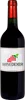
Château de SouchéCabernet
This wine generally goes well with
The Cabernet of the Château de Souché is in the top 0 of wines of Loire Valley.
Details and technical informations about Château de Souché's Cabernet.
Discover the grape variety: Jurançon blanc
Mainly cultivated in the south-western part of France, white Jurançon is part of the Cognac and Armagnac grape varieties. It is not related to Jurançon Noir, even though it is quite similar. This grape variety comes from a cross with the white gouais and is in the process of disappearing. Its young leaves are bubbled and downy. The more mature ones have 5 lobes and a petiolar sinus. Jurançon Blanc has small, compact clusters and medium-sized berries. It is hardy and vigorous. Jurançon blanc is associated with an average budburst. This variety is upright. To avoid exhaustion, it is recommended to prune it short. Jurançon often suffers from gray mold, mildew and powdery mildew. Its maturity is early in the third period. In other words, this grape variety matures 20 days after Chasselas. The white wines obtained with white Jurançon are low in alcohol, acid and neutral. If they are distilled, the result is an eau de vie that is not very strong and not very marked.
Informations about the Château de Souché
The Château de Souché is one of of the world's great estates. It offers 22 wines for sale in the of Loire Valley to come and discover on site or to buy online.

The wine region of Loire Valley
The Loire Valley is a key wine region in western France. It follows the course of the Loire River on its Long journey through the heart of France, from the inland hills of the Auvergne to the plains of the French Atlantic coast near Nantes (Muscadet country). Important in terms of quantity and quality, the region produces large quantities (about 4 million h/l each year) of everyday wines, as well as some of France's greatest wines. Diversity is another of the region's major assets; the styles of wine produced here range from the light, tangy Muscadet to the Sweet, honeyed Bonnezeaux, the Sparkling whites of Vouvray and the juicy, Tannic reds of Chinon and Saumur.
The word of the wine: Muscat blanc à petits grains
A white grape variety cultivated since antiquity on the shores of the Mediterranean, it is considered the noblest of the muscats. It is mainly used to make sweet wines, often from mutage. In France, it is the sole variety used in many natural sweet wines: muscat-de-frontignan, muscat-de-mireval, muscat-de-lunel, muscat-de-saint-jean-de-minervois, muscat-de-beaumes-de-venise, muscat-du-cap-corse. Combined with Muscat d'Alexandrie, it gives Muscat-de-Rivesaltes. It is also used to make sparkling white wines (clairette-de-die; moscato d'asti and asti spumante in Italy) and dry wines (alsace-muscat). Powerfully aromatic and complex, its wines evoke fresh grapes, roses, exotic fruits, citrus fruits and spices.