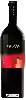
Winery Finca La MedaReserva Tempranillo
 wine
wine
This wine generally goes well with
The Reserva Tempranillo of the Winery Finca La Meda is in the top 0 of wines of Toro.

Details and technical informations about Winery Finca La Meda's Reserva Tempranillo.
Discover the grape variety: Gamay de Bouze
Intensely coloured and simple reds with an opaque purple colour, supple tannins and a light palate with moderate acidity, with discreet aromas of red fruits. A teinturier profile. Once used to intensify the colour of Burgundy blends, now marginal, it survives in a few Burgundy plots and ampelographic collections for its heritage value. Teinturier variation of Gamay obtained in the village of Bouze-lès-Beaune in Burgundy.
Informations about the Winery Finca La Meda
The Winery Finca La Meda is one of of the world's greatest estates. It offers 7 wines for sale in the of Toro to come and discover on site or to buy online.

The wine region of Toro
Historic DO of Castile and León, Duero valley near Portugal. Signature Tinta de Toro (local Tempranillo clone, 70%): powerful, concentrated reds with signature notes of blackberry, candied black cherry, plum, leather, tobacco, cocoa and spice, firm tannins and a dense palate — sunny wines of great ageing. Also round Garnacha, Malvasia and Verdejo as fresh whites. Extreme continental climate (40 °C summers), vineyards between 600-750 m.
The wine region of Castille-et-Léon
Cradle of great Castilian reds on high-altitude plateaus (450-1000 m) of the Duero. Tempranillo king (Tinto Fino, Tinta de Toro): powerful, structured reds with notes of black cherry, blackberry, plum, leather and spices, firm tannins and length worthy of long ageing. Stars: Ribera del Duero (Vega Sicilia, Pingus), fleshy Toro, Bierzo (fresh mineral Mencía). Lively herbaceous Verdejo whites from Rueda, cut grass and citrus.
The word of the wine: Grafting
A method used since the phylloxera crisis, consisting of fixing a graft of local origin on a rootstock resistant to phylloxera.