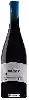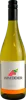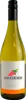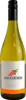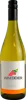
Winery EntreboscPicapoll
 White wine



This wine generally goes well with
The Picapoll of the Winery Entrebosc is in the top 20 of wines of Pla de Bages.

Details and technical informations about Winery Entrebosc's Picapoll.
Discover the grape variety: Ehrenfelser
Aromatic, fruity whites with a pale golden robe, an airy palate with preserved acidity, and signature aromas of peach, apricot, white flowers and light mineral notes. Also crafted as botrytised sweet wines (Spätlese, Auslese). Grown in Germany, Canada and British Columbia for dry and sweet whites, it ripens earlier than Riesling. A German white grape bred in 1929 at Geisenheim (Riesling × Knipperlé).
Last vintages of this wine
The best vintages of Picapoll from Winery Entrebosc are 2016, 0
Informations about the Winery Entrebosc
The Winery Entrebosc is one of of the world's greatest estates. It offers 3 wines for sale in the of Pla de Bages to come and discover on site or to buy online.

The wine region of Pla de Bages
Small Catalan DO 50 km northwest of Barcelona, clay-limestone basin at 200-500 m, dry Mediterranean-continental climate. Picapoll is the signature white king (indigenous): lively and aromatic with green apple, citrus, lavender, thyme, rosemary and pine touch — imprint of Mediterranean herbs. Tense Macabeo and Parellada (Cava grapes). Ull de Llebre (Tempranillo) fruity red, dense Cabernet, Merlot, Syrah.
The wine region of Catalogne
Cradle of Cava (~95% of Spanish output, traditional method): Macabeo, Xarel-lo, Parellada trilogy, fine fruity bubble. Quality peak in Priorat DOCa: dense, mineral reds on llicorella (schist), old-vine Garnacha and Cariñena with black fruit, garrigue notes, firm tannins. Also Penedès, fleshy Montsant, sunny Empordà, Costers del Segre. Mediterranean.
The word of the wine: Chaptalization
The addition of sugar at the time of fermentation of the must, an ancient practice, but theorized by Jean-Antoine Chaptal at the dawn of the 19th century. The sugar is transformed into alcohol and allows the natural degree of the wine to be raised in a weak or cold year, or - more questionably - when the winegrower has a harvest that is too large to obtain good maturity.