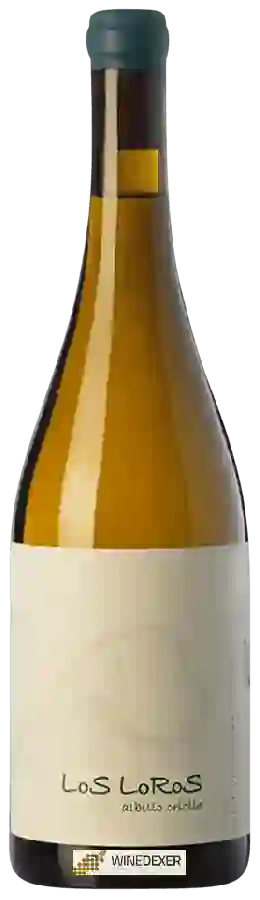
Winery El BorujoLos Loros Albillo Criollo
 White wine



This wine generally goes well with
The Los Loros Albillo Criollo of the Winery El Borujo is in the top 10 of wines of Valle de Güímar.

Details and technical informations about Winery El Borujo's Los Loros Albillo Criollo.
Discover the grape variety: De Chaunac
Colourful, simple fruity reds with a deep purple robe, silky tannins and an airy palate with preserved acidity, showing aromas of red fruits and herbaceous notes. Cold- and disease-resistant. Grown mainly in Canada (Ontario, Quebec) and the north-eastern United States, adapting to rigorous continental viticultural climates. French black hybrid (Seibel 9549), named after Quebec researcher Adhémar de Chaunac.
Last vintages of this wine
The best vintages of Los Loros Albillo Criollo from Winery El Borujo are 2017, 0, 2015
Informations about the Winery El Borujo
The Winery El Borujo is one of of the world's greatest estates. It offers 14 wines for sale in the of Valle de Güímar to come and discover on site or to buy online.

The wine region of Valle de Güímar
Canarian DOP (1996) on the south-east coast of Tenerife at the foot of the Teide volcano, vineyards at 175–1,500 m among the highest in Europe, volcanic and pumice soils. Listán Blanco (Palomino) is the signature white (>60% of plantings): dry and taut with citrus, green apple, white flowers and a saline volcanic mineral note, lively altitude acidity. Also as spumante. Listán Negro for fruity reds.
The wine region of Iles Canaries
Spanish vineyard archipelago spared by phylloxera, ~50 grape varieties of which 20 unique worldwide. Black volcanic soils and sub-tropical oceanic climate. Listán Negro in light, spicy red with signature notes of red cherry, wild strawberry, smoke, pepper and a volcanic mineral touch, fine tannins — an atypical style. Supple Negramoll, fresh Listán Blanco (citrus, flowers), aromatic Malvasía (candied orange, honey) historically famous.
The word of the wine: Rootstock
American vine on which a French vine is grafted. This is the consequence of the phylloxera that destroyed the vineyard at the end of the 19th century: after much trial and error, it was discovered that the "pest" spared the roots of the American vines, and the technique became widespread.