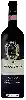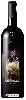
Winery Donna OlgaCollezione Arte Brunello di Montalcino
 wine
wine
This wine generally goes well with
The Collezione Arte Brunello di Montalcino of the Winery Donna Olga is in the top 0 of wines of Brunello di Montalcino.
Details and technical informations about Winery Donna Olga's Collezione Arte Brunello di Montalcino.
Discover the grape variety: Sauterne
Intraspecific crossing between Sémillon Blanc and Sauvignon Blanc carried out in 1892 by Numa Naugé. This variety has been multiplied very little and is now in the process of disappearing.
Informations about the Winery Donna Olga
The Winery Donna Olga is one of of the world's greatest estates. It offers 10 wines for sale in the of Brunello di Montalcino to come and discover on site or to buy online.

The wine region of Brunello di Montalcino
The wine region of Brunello di Montalcino is located in the region of Toscane of Italy. Wineries and vineyards like the Domaine Soldera or the Domaine Casanova di Neri produce mainly wines red. The most planted grape varieties in the region of Brunello di Montalcino are Sangiovese, they are then used in wines in blends or as a single variety. On the nose of Brunello di Montalcino often reveals types of flavors of iron, potpourri or dried fruit and sometimes also flavors of dried rose, berry jam or rose petal.
The wine region of Tuscany
Tuscany is one of the most famous and prolific wine regions in Europe. It is best known for its Dry red wines made from Sangiovese grapes, which dominate production. These include Chianti, Brunello di Montalcino and Vino Nobile di Montepulciano. The region's Vin Santo is also highly prized, as are its passito dessert wines, though these are produced in comparatively tiny quantities.
The word of the wine: Distinguished
Said of a fine, elegant wine that is outstanding in its category.