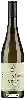
Winery Dona PaternaAlvarinho Bruto
 Sparkling wine



This wine generally goes well with
The Alvarinho Bruto of the Winery Dona Paterna is in the top 70 of wines of Monção e Melgaço.

Wine flavors and olphactive analysis

Details and technical informations about Winery Dona Paterna's Alvarinho Bruto.
Discover the grape variety: Alvarinho
Lively, aromatic whites with cutting acidity and a slender mouth, featuring intense aromas of citrus, white peach, apricot, white flowers, passion fruit and iodised Atlantic saline notes. Tonic, long finish. The absolute star of the Monção e Melgaço sub-region (Vinho Verde DOC), it signs the finest Portuguese Vinho Verde. Also made as a single variety in the Douro. The Portuguese name for Galician Albariño, native to the northwest Iberian peninsula.
Last vintages of this wine
The best vintages of Alvarinho Bruto from Winery Dona Paterna are 2015, 2016, 0, 2013
Informations about the Winery Dona Paterna
The Winery Dona Paterna is one of of the world's greatest estates. It offers 6 wines for sale in the of Monção e Melgaço to come and discover on site or to buy online.

The wine region of Monção e Melgaço
Premium epicentre sub-region of Portuguese Vinho Verde (far north, Minho on Spanish border): Alvarinho signature white king — rich, full-bodied profile with vibrant citrus, stone fruit, flowers and complex saline minerality, vibrant acidity and exceptional ageing. Loureiro and Trajadura complementary. Weathered granites, microclimate sheltered by western mountains from the Atlantic, hot dry summers cold winters, full ripening.
The wine region of Minho
Portugal's northernmost region, heart of Atlantic Vinho Verde. Signature lively, lightly sparkling whites with signature notes of citrus, green apple, white flowers, fresh herbs and a saline touch, thirst-quenching, low-alcohol palate — the sunshine wine par excellence. High-end star Alvarinho (peach, exotic fruits, minerality), floral Loureiro (laurel), ample Trajadura, taut Arinto, structured Avesso. Vinhão as lively red.
The word of the wine: Disgorging (champagne)
This is the evacuation of the deposit formed by the yeasts during the second fermentation in the bottle, by opening the bottle. The missing volume is completed with the liqueur de dosage - a mixture of wine and cane sugar - before the final cork is placed. For some years now, some producers have been replacing this sugar with rectified concentrated musts (concentrated grape juice) which give excellent results. A too recent dosage (less than three months) harms the gustatory harmony of the champagne.