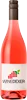
Domaine RoustanLes Camarades
 wine
wine
This wine generally goes well with
The Les Camarades of the Domaine Roustan is in the top 0 of wines of Bouches-du-Rhone.

Details and technical informations about Domaine Roustan's Les Camarades.
Discover the grape variety: Gros Colman
Table grape with long clusters and spherical blue-black berries with thick skin and juicy flesh, with a pleasant sweet taste. Late-ripening. Very rarely vinified. Father of the Alphonse Lavallée. Now marginal in commercial cultivation, it survives in a few amateur gardens and ampelographic collections for its heritage value and genetic interest. French black table grape variety, grown for fresh consumption in the 19th century.
Informations about the Domaine Roustan
The Domaine Roustan is one of of the world's greatest estates. It offers 4 wines for sale in the of Bouches-du-Rhone to come and discover on site or to buy online.

The wine region of Bouches-du-Rhone
Provençal departmental IGP around Aix-en-Provence: signature dominant rosés (~50%) with pale robe and signature noses of red fruits or citrus, fresh and accessible. Mediterranean reds (~40%) — spicy Syrah, full-bodied Cabernet Sauvignon, Grenache, Merlot, Cinsault, Carignan and Caladoc in blends, soft round tannins. Whites (~10%) — Ugni, Clairette, Rolle, Bourboulenc and Chardonnay with fresh floral notes. IGP, Mediterranean climate.
The wine region of Méditerranée
Vast IGP of south-east France (Provence, Vaucluse, Var, Corsica, Ardèche), 75% rosés. Fresh, fruity rosés with signature notes of strawberry, raspberry, citrus, white flowers and a Mediterranean touch, taut and thirst-quenching on the palate — the quintessential sunny aperitif. Supple reds blending Grenache, Syrah, Cabernet and Merlot (red fruits, garrigue, spice), full whites of Viognier (apricot, flowers) and Chardonnay. Generous everyday wines, expression of the south.
The word of the wine: Serious
A Bordeaux term for small pebbles from the Pyrenees, eroded, rounded and transported by the Garonne to Aquitaine. They are mainly found on the left bank in the area.... known as the Graves, and further downstream in the Médoc. By extension, gravel is found in other regions, brought by other rivers or even glaciers.