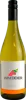
Winery LebardieuxVenerando Vino da Pasto
 wine
wine
This wine generally goes well with
The Venerando Vino da Pasto of the Winery Lebardieux is in the top 0 of wines of Vino da Tavola.
Details and technical informations about Winery Lebardieux's Venerando Vino da Pasto.
Discover the grape variety: Millot Léon
Interspecific crossing between the 101-14 Millardet and Grasset (vitis riparia X vitis rupestris) and the goldriesling obtained by Eugène Kühlmann (1858-1932) around 1911 and marketed around 1921. With these same parents, he obtained among others the Maréchal Foch. Léon Millot is still found in Canada, the United States, Switzerland, Germany, Belgium, Denmark, Sweden, the Netherlands, Poland and England. In France, where it was grown for a long time in Alsace, it is no longer grown in the vineyards, although it is listed in the Official Catalogue of Vine Varieties, list A.
Informations about the Winery Lebardieux
The Winery Lebardieux is one of of the world's greatest estates. It offers 7 wines for sale in the of Vino da Tavola to come and discover on site or to buy online.

The wine region of Vino da Tavola
Vino da Tavola was the most basic classification of Italian wines. It is now renamed simply "Vino" and appears on labels as Vino d'Italia. The original name literally means "table wine" as opposed to premium wines from specific geographical locations (see EU wine label). In May 2011, the first legal steps were taken to abolish the Vino da Tavola category, in favor of a New classification of wines called simply Vino.
The word of the wine: Vent (taste of)
A defect that characterizes a wine exposed to the air, and which has lost its aromatic qualities.