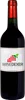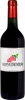
Domaine le CotoyonCuvée Non Filtrée Juliénas
 wine
wine
This wine generally goes well with
The Cuvée Non Filtrée Juliénas of the Domaine le Cotoyon is in the top 0 of wines of Juliénas.
Details and technical informations about Domaine le Cotoyon's Cuvée Non Filtrée Juliénas.
Discover the grape variety: Morrastel
The black Morrastel is a grape variety originating from Spain. It produces a variety of grape specially used for the elaboration of wine. It is rare to find this grape to eat on our tables. This variety of vine is characterized by large bunches and small to medium sized grapes. Morrastel noir can be found in many vineyards: South West, Cognac, Bordeaux, Languedoc & Roussillon, Provence & Corsica, Rhone Valley, Loire Valley, Savoie & Bugey, Beaujolais.
Informations about the Domaine le Cotoyon
The Domaine le Cotoyon is one of of the world's greatest estates. It offers 7 wines for sale in the of Juliénas to come and discover on site or to buy online.

The wine region of Juliénas
Juliénas is an appellation covering wines produced from vineyards in the northern Beaujolais region of eastern France. The red wines of Juliénas, made from Gamay grapes, often have Spicy, Floral">floral and red fruit characters. They tend to be heavier than those of the neighboring appellation of Saint-Amour and some of its southern counterparts. Despite this, Julienas wines tend to have a shorter shelf life, and are best drunk no later than two or three years after the Vintage.
The wine region of Beaujolais
Beaujolais is an important wine region in eastern France, famous for its vibrant, Fruity red wines made from Gamay. It is located immediately South of Burgundy, of which it is sometimes considered a Part, although it is in the administrative region of Rhône. The extensive plantings of Gamay in this region make Beaujolais one of the few regions in the world that is so concentrated on a single Grape variety. Pinot Noir is used in small quantities in red and rosé wines, but in the name of regional identity, it is being phased out and will only be allowed until the 2015 harvest.
The word of the wine: Muscat blanc à petits grains
A white grape variety cultivated since antiquity on the shores of the Mediterranean, it is considered the noblest of the muscats. It is mainly used to make sweet wines, often from mutage. In France, it is the sole variety used in many natural sweet wines: muscat-de-frontignan, muscat-de-mireval, muscat-de-lunel, muscat-de-saint-jean-de-minervois, muscat-de-beaumes-de-venise, muscat-du-cap-corse. Combined with Muscat d'Alexandrie, it gives Muscat-de-Rivesaltes. It is also used to make sparkling white wines (clairette-de-die; moscato d'asti and asti spumante in Italy) and dry wines (alsace-muscat). Powerfully aromatic and complex, its wines evoke fresh grapes, roses, exotic fruits, citrus fruits and spices.