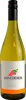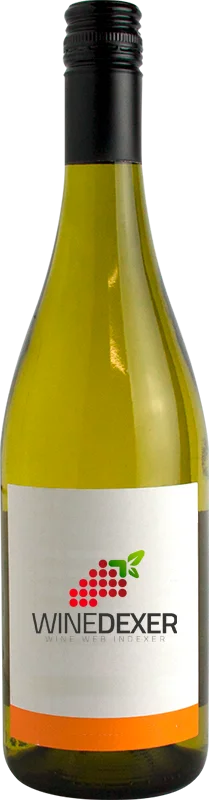
Domaine LacroixBourgogne Blanc
 White wine
This wine generally goes well with rich fish (salmon, tuna etc), shellfish or mild and soft cheese.
Food and wine pairings with Bourgogne Blanc
Pairings that work perfectly with Bourgogne Blanc



Original food and wine pairings with Bourgogne Blanc


The Bourgogne Blanc of Domaine Lacroix matches generally quite well with dishes of pasta, rich fish (salmon, tuna etc) or shellfish such as recipes of flammekueche with munster cheese, baked whole salmon or real swiss fondue.
Details and technical informations about Domaine Lacroix's Bourgogne Blanc.
Discover the grape variety: Chardonnay
The white Chardonnay is a grape variety that originated in France (Burgundy). It produces a variety of grape specially used for wine making. It is rare to find this grape to eat on our tables. This variety of grape is characterized by small bunches, and small grapes. White Chardonnay can be found in many vineyards: South West, Burgundy, Jura, Languedoc & Roussillon, Cognac, Bordeaux, Beaujolais, Savoie & Bugey, Loire Valley, Champagne, Rhone Valley, Armagnac, Lorraine, Alsace, Provence & Corsica.
Informations about the Domaine Lacroix
The Domaine Lacroix is one of of the world's greatest estates. It offers 9 wines for sale in the of Burgundy to come and discover on site or to buy online.

The wine region of Burgundy
Bourgogne is the catch-all regional appellation title of the Burgundy wine region in eastern France ("Bourgogne" is the French name for Burgundy). Burgundy has a Complex and comprehensive appellation system; counting Premier Cru and Grand Cru titles, the region has over 700 appellation titles for its wines. Thus, Burgundy wines often come from one Vineyard (or several separate vineyards) without an appellation title specific to the region, Village or even vineyard. A standard Burgundy wine may be made from grapes grown in one or more of Burgundy's 300 communes.
The word of the wine: Yeast
Micro-organisms at the base of all fermentative processes. A wide variety of yeasts live and thrive naturally in the vineyard, provided that treatments do not destroy them. Unfortunately, their replacement by laboratory-selected yeasts is often the order of the day and contributes to the standardization of the wine. Yeasts are indeed involved in the development of certain aromas.