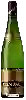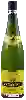
Domaine GreinerEdelzwicker
 wine
wine
This wine generally goes well with
The Edelzwicker of the Domaine Greiner is in the top 0 of wines of Alsace.
Details and technical informations about Domaine Greiner's Edelzwicker.
Discover the grape variety: Folle blanche
As its name suggests, the folle blanche is a white grape variety. Originally from the west of France, it was used to make Cognac and Armagnac brandies as early as the 17th century and was renowned for its finesse and fragrant nose. Replaced by Ugni Blanc following the phylloxera invasion, the folle blanche is now grown in small quantities. It is a grape variety with juicy, sweet, medium-sized bunches and berries with a white/green skin. Its worst enemy is grey rot. As it is an early variety and its buds come out early, it is particularly afraid of spring frosts. It likes short pruning, a method that limits the production of grapes but increases their quality. It also prefers mineral-rich soils, and its vineyards cover about 3,000 hectares. It is used in the production of the AOC Gros-plant du Pays nantais to produce a lively white wine with little alcohol but marked acidity.
Informations about the Domaine Greiner
The Domaine Greiner is one of of the world's greatest estates. It offers 6 wines for sale in the of Alsace to come and discover on site or to buy online.

The wine region of Alsace
Alsace, located in the extreme north-east of France, is Distinguished from other French wine regions by its strong Franco-Germanic influences. These influences are the result of a back-and-forth between the German and French sovereignties over the last few centuries. They can be seen not only in the architecture and culture of Alsace, but also in the wines. Alsace wines are produced under three main appellations: Alsace and Alsace Grand Cru for still white wines (Sweet and Dry), and Crémant d'Alsace for Sparkling wines.
The word of the wine: Soft
Sweet wine containing between 30 and 50 grams of residual sugar. A sweet wine is made from very ripe grapes but without being affected by botrytis cinerea and without being raisined. This term can also be applied to a dry wine that is smooth and fat in the mouth.