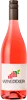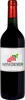
Domaine des GénaudièresCoteaux d'Ancenis Gamay Rosé
 Pink wine
This wine generally goes well with beef

Food and wine pairings with Coteaux d'Ancenis Gamay Rosé
Pairings that work perfectly with Coteaux d'Ancenis Gamay Rosé

Original food and wine pairings with Coteaux d'Ancenis Gamay Rosé
The Coteaux d'Ancenis Gamay Rosé of Domaine des Génaudières matches generally quite well with dishes of beef such as recipes of pot roast.
Details and technical informations about Domaine des Génaudières's Coteaux d'Ancenis Gamay Rosé.
Discover the grape variety: Gamay noir
Light, juicy reds, low in tannins with crunchy freshness, showing aromas of wild strawberry, raspberry, banana (from carbonic maceration) and peony. Easy-drinking style of Beaujolais Nouveau, more structured and mineral on the granites of the ten crus (Morgon, Moulin-à-Vent, Fleurie, Brouilly). Also in Touraine, Auvergne and Swiss Romande. A Burgundian variety, a cross of Pinot Noir × Gouais Blanc.
Informations about the Domaine des Génaudières
The Domaine des Génaudières is one of of the world's great estates. It offers 18 wines for sale in the of Pays Nantais to come and discover on site or to buy online.

The wine region of Pays Nantais
Atlantic outlet of the Loire around Nantes, kingdom of Muscadet. Melon de Bourgogne signature in white: dry and iodised with signature notes of citrus, green apple, white flowers, fresh herbs and a saline mineral touch, taut and refreshing palate — the ideal companion for oysters and seafood. 'Sur lie' mention adds light spritz and brioche complexity. Lively Gros Plant and trenchant Folle Blanche.
The wine region of Loire Valley
Kingdom of lively, dry whites and fine sparklers. Mineral, taut Sauvignon Blanc (Sancerre, Pouilly-Fumé) with citrus and gunflint notes. Multiform Chenin Blanc (Vouvray, Savennières, Layon): straight dry, floral off-dry or noble sweet honey-quince. Saline, iodised Muscadet (Melon B.
The word of the wine: Chaptalization
The addition of sugar at the time of fermentation of the must, an ancient practice, but theorized by Jean-Antoine Chaptal at the dawn of the 19th century. The sugar is transformed into alcohol and allows the natural degree of the wine to be raised in a weak or cold year, or - more questionably - when the winegrower has a harvest that is too large to obtain good maturity.