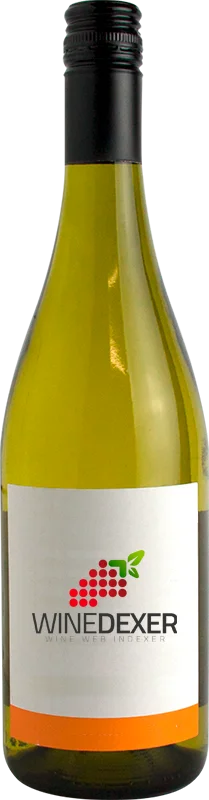
Domaine de PicardonCôtes de Gascogne Blanc Doux
 Sweet wine



This wine generally goes well with

Details and technical informations about Domaine de Picardon's Côtes de Gascogne Blanc Doux.
Discover the grape variety: Maréchal Joffre
Colourful, fruity reds to drink young with a sustained ruby robe, moderate tannins and an airy palate, and signature aromas of red and black fruits (cherry, blackberry) and simple notes. An accessible profile for cold climates. Grown mainly in Canada (Quebec, Ontario) and the northeastern United States, adapted to harsh continental vineyards. A black hybrid grape bred in Alsace in the early 20th century by Eugène Kuhlmann.
Last vintages of this wine
The best vintages of Côtes de Gascogne Blanc Doux from Domaine de Picardon are 2016
Informations about the Domaine de Picardon
The Domaine de Picardon is one of of the world's greatest estates. It offers 12 wines for sale in the of Côtes de Gascogne to come and discover on site or to buy online.

The wine region of Côtes de Gascogne
Reference for accessible dry whites of the South-West: signature Colombard as white king — lively and aromatic with notes of lemon, grapefruit, mango, passion fruit, white flowers and a touch of green citrus, brisk acidity and moderate alcohol (9-11%) — a gourmet aperitif. Straight Ugni Blanc in the blend, more floral Sauvignon and rounder Gros Manseng as complements. A few honeyed sweet wines. Vast Gers IGP (Armagnac), oceanic climate, clay-limestone soils.
The wine region of Comté Tolosan
IGP covering all of southwest France across 12 departments, a broad and accessible palette. On the Garonne right bank, supple reds dominate: signature Merlot with signature notes of plum, ripe cherry, cocoa and a herbaceous touch, round tannins. Firm Cabernet, spicy Syrah, tannic local Tannat. Left bank for whites: vivid Colombard and Gros Manseng (citrus, grapefruit, exotic fruits), aromatic Sauvignon.
The word of the wine: Véraison
A phase in the vegetative cycle of the vine that takes place in summer, usually in August, when the grapes change colour from green to red (for reds) or yellow (for whites). This stage heralds the beginning of ripening.