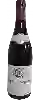
Domaine de MutellusPeyroles Gevrey-Chambertin
 wine
wine
This wine generally goes well with
The Peyroles Gevrey-Chambertin of the Domaine de Mutellus is in the top 0 of wines of Gevrey-Chambertin.

Details and technical informations about Domaine de Mutellus's Peyroles Gevrey-Chambertin.
Discover the grape variety: Fumé Blanc
Structured, aromatic dry whites oak-aged, with a golden robe, an ample, oaky palate and preserved acidity. Signature aromas of citrus (grapefruit), exotic fruits (passion fruit, mango), white flowers and vanilla, toasty, smoky oak notes. Grown in California (Napa, Sonoma), South Africa and Australia. Commercial name for Sauvignon Blanc popularised by Robert Mondavi in the 1960s for barrel-fermented styles.
Informations about the Domaine de Mutellus
The Domaine de Mutellus is one of of the world's greatest estates. It offers 5 wines for sale in the of Gevrey-Chambertin to come and discover on site or to buy online.

The wine region of Gevrey-Chambertin
The Champs-Élysées of Burgundy in the Côte de Nuits: signature Pinot Noir reigns exclusively in reds — intense ruby with carmine glints, complete and structured with strawberry, cherry, blackberry, violet and a liquorice touch, undergrowth and dried fruit on ageing, firm yet silky tannins marrying power and elegance. More robust than its Côte de Beaune neighbours. Village AOC (1936) over Gevrey and Brochon, 26 Premiers Crus and 9 Grands Crus including legendary Chambertin and Clos de Bèze.
The wine region of Burgundy
Absolute reference for great terroir wines: opulent, mineral Chardonnay in whites (chiselled Chablis, buttery Meursault, majestic Montrachet), fine and silky Pinot Noir in reds (full-bodied Gevrey, structured Pommard, delicate Volnay). Exceptional age-worthy wines with complex notes - red fruits, undergrowth, butter, hazelnut. Some lively Aligoté and light Gamay (Mâconnais). 29,500 ha, 84 tiered AOCs (Régionale, Village, 1er Cru, Grand Cru), 1,247 UNESCO Climats.
The word of the wine: Leaf removal
Operation that consists in removing the leaves that form a screen between the sun and the grape.