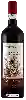
Winery DestefanisBricco Galluccio Barbera d'Alba
 wine
wine
This wine generally goes well with
The Bricco Galluccio Barbera d'Alba of the Winery Destefanis is in the top 0 of wines of Barbera d'Alba.

Details and technical informations about Winery Destefanis's Bricco Galluccio Barbera d'Alba.
Discover the grape variety: Arinto
Crisp and structured whites with very high acidity, pale golden colour, taut mouth, with signature aromas of lemon, green apple, white flowers and mineral notes. Ages beautifully gaining citrusy and resinous notes. Star of Bucelas DOC, also found in Vinho Verde, Tejo, Alentejo and Dão. Traditional Portuguese white grape defining the identity of age-worthy Portuguese whites.
Informations about the Winery Destefanis
The Winery Destefanis is one of of the world's greatest estates. It offers 9 wines for sale in the of Barbera d'Alba to come and discover on site or to buy online.

The wine region of Barbera d'Alba
Premium Piedmontese Barbera around Alba (heart of the Langhe). Fleshier, more concentrated reds than neighbouring Asti, with signature notes of ripe black cherry, candied plum, violet and sweet spices, characteristic fresh acidity and round tannins. Frequent barrel ageing (chocolate, vanilla). Generous palate, accessible young, age-worthy Superiore versions.
The wine region of Piedmont
Kingdom of Nebbiolo: Barolo and Barbaresco DOCG, long-ageing reds with firm tannins and lively acidity, complex aromas of withered rose, sour cherry, tar, truffle and undergrowth. More accessible, tangy Barbera on red fruit, supple, crisp Dolcetto. Sweet, floral sparkling Moscato d'Asti, mineral, lemony Gavi (Cortese) white, round, almondy Arneis from Roero. 50,000 ha across the Langhe, Roero and Monferrato, UNESCO.
The word of the wine: Breeding
It can last for several years. The bottles are stacked in the cellars and waited for the light and heat. The yeasts gradually give the wine compounds that enrich it. A long maturation is a guarantee of quality.