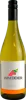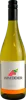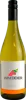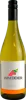
Winery Demeter ZoltanLapis
 White wine


This wine generally goes well with

Wine flavors and olphactive analysis



On the nose the Lapis of Winery Demeter Zoltan in the region of Tokaj often reveals types of flavors of citrus fruit.
Details and technical informations about Winery Demeter Zoltan's Lapis.
Discover the grape variety: Noiret
Colourful, structured reds with a deep ruby hue, firm tannins and fresh acidity, featuring black fruits (blackberry, blackcurrant), plum, cherry, black pepper, spices and herbaceous notes without foxy taste. Dense, balanced palate. Disease- and cold-resistant interspecific variety, a locomotive of the north-eastern US (Finger Lakes, Pennsylvania) and Ontario. American hybrid created in 2006 by Cornell University.
Last vintages of this wine

The best vintages of Lapis from Winery Demeter Zoltan are 0, 2009
Informations about the Winery Demeter Zoltan
The Winery Demeter Zoltan is one of of the world's great estates. It offers 26 wines for sale in the of Tokaj to come and discover on site or to buy online.

The wine region of Tokaj
Cradle of the legendary Tokaji Aszú, "king of wines" per Louis XIV. Noble sweet wines based on Furmint (lively acidity prone to botrytis) and floral Hárslevelű ("linden leaf"): amber robe, signature aromas of honey, candied apricot, quince, orange peel, saffron, sustained sugar balanced by tense acidity. Measured in "puttonyos" (3 to 6) with Aszú Eszencia at the top. Also dry Furmint on the rise, straight and mineral.
The word of the wine: Bleeding
Old practice for red wines. As soon as the vat is filled with grapes, the tap is opened. A sweet but clear juice escapes from the vat (it can also be used to make rosé). The colour and density of the juice is enhanced, but it should not be overdone. Rarely more than 10% of the volume of a vat, otherwise you risk losing fruit and bringing in bitterness.