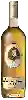
Château de VillegeorgeExceptionnel Grand Cru
 wine
wine
In the mouth this wine is a powerful with a nice balance between acidity and tannins.
This wine generally goes well with
The Exceptionnel Grand Cru of the Château de Villegeorge is in the top 0 of wines of Médoc.

Taste structure of the Exceptionnel Grand Cru from the Château de Villegeorge
Light | Bold | |
Smooth | Tannic | |
Dry | Sweet | |
Soft | Acidic |
In the mouth the Exceptionnel Grand Cru of Château de Villegeorge in the region of Bordeaux is a powerful with a nice balance between acidity and tannins.


Details and technical informations about Château de Villegeorge's Exceptionnel Grand Cru.
Discover the grape variety: Candin
Simple and fresh dry whites, pale golden colour, supple mouth with moderate acidity, with understated aromas of citrus and white flowers. Discreet rustic profile. Preserved in a few ampelographic collections as a heritage variety, studied for its genetic interest. Rare and poorly documented white grape grown in very small quantities.
Last vintages of this wine


The best vintages of Exceptionnel Grand Cru from Château de Villegeorge are 0
Informations about the Château de Villegeorge
The Château de Villegeorge is one of of the world's greatest estates. It offers 6 wines for sale in the of Médoc to come and discover on site or to buy online.

The wine region of Médoc
Kingdom of Cabernet Sauvignon on siliceous gravel, left bank of the Gironde. Structured, age-worthy reds with signature notes of blackcurrant, blackberry, cedar, graphite, tobacco and minty hints, firm tannins. Blend: majority Cabernet Sauvignon, Merlot for velvet, Cabernet Franc for perfume, Petit Verdot and Malbec. To the south, Haut-Médoc and 1855 communal appellations (Pauillac, Margaux).
The wine region of Bordeaux
World-renowned age-worthy reds, led by round Merlot (plum, black fruit) or firm Cabernet Sauvignon (blackcurrant, cedar, graphite), blended with Cabernet Franc and Petit Verdot for tannic structure. Structured Médoc and Graves, velvety Saint-Émilion and Pomerol. Also crisp dry whites (Sauvignon/Sémillon) and opulent sweet Sauternes with honey and candied fruit. A 110,000 ha Gironde vineyard, 65 appellations, cradle of the 1855 classified growths.
The word of the wine: Reassembly
During the vinification process, a "cap" is formed at the top of the vats with the solid parts (skin, pulp, pips, etc.), which contain tannins and colouring elements. Pumping over consists of emptying the vat from the bottom and pouring the juice back to the top, in order to mix the cap and the juice and to favour the exchange and the extraction. This old technique allows a better exchange between the solid parts and the liquid.