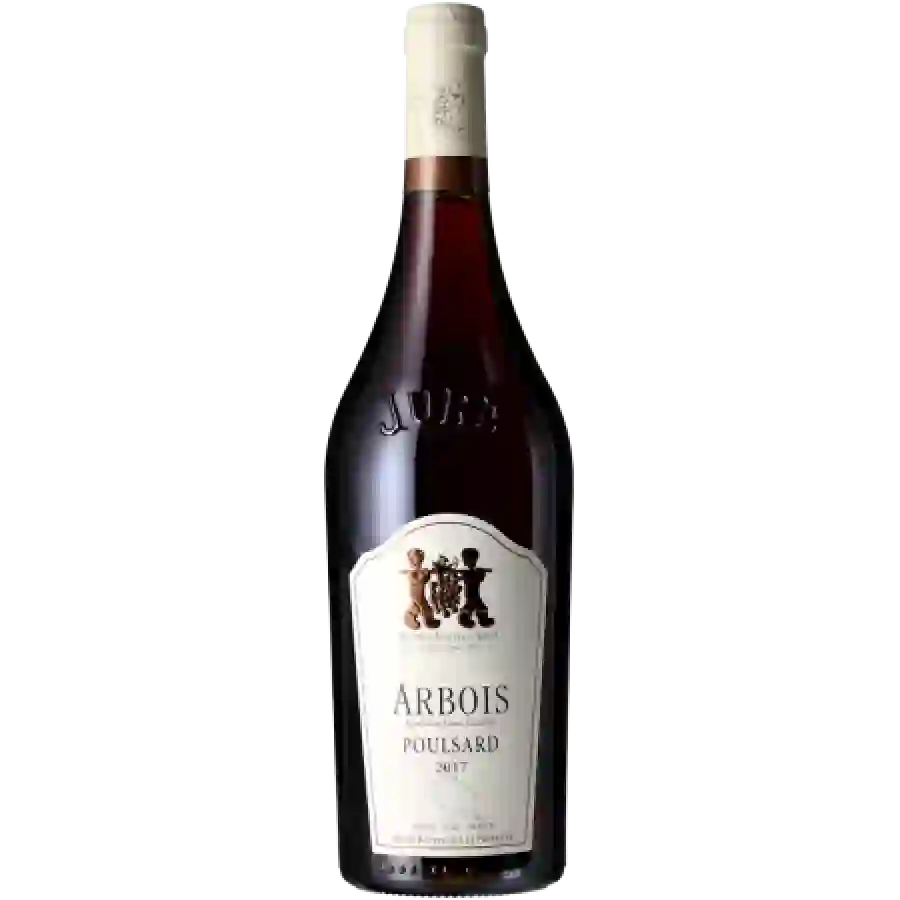
Château BéthanieArbois Rosé
 Pink wine


This wine generally goes well with

Details and technical informations about Château Béthanie's Arbois Rosé.
Discover the grape variety: Charbono
Deep-coloured, fruity reds with a sustained purple colour, firm yet rounded tannins and a dense, fresh palate; signature aromas of black fruits (blackberry, blackcurrant), red fruits (cherry), spices and herbal notes. Grown in California as Charbono and in Argentina as Bonarda for characterful reds. Indigenous Italian black grape from Piedmont (Douce Noir), identical to Argentina's Bonarda by DNA analysis.
Last vintages of this wine
The best vintages of Arbois Rosé from Château Béthanie are 2018
Informations about the Château Béthanie
The Château Béthanie is one of of the world's great estates. It offers 59 wines for sale in the of Arbois to come and discover on site or to buy online.

The wine region of Arbois
First historic French AOC (1936) at the heart of the Jura: Trousseau and Poulsard signatures as light, fragrant native reds with notes of cherry, raspberry, wild strawberry and a hint of spice, fine tannins. Savagnin emblematic as an oxidative white under veil — dry and taut with notes of walnut, curry, almond and green apple, a unique Jura signature. Topped-up Chardonnay as a broad complement. Vin Jaune and Vin de Paille as age-worthy gems.
The wine region of Jura
Unique Franche-Comté region between Burgundy and Switzerland, incomparable oxidative identity. Signature mythical Vin Jaune from Savagnin: aged 6 years 3 months in cask under flor, intense whites with signature green walnut, curry, cumin, russet apple, honey and lingering iodine — 62 cl clavelin, century-long ageing. Also classic topped-up Chardonnay (citrus, butter), pale light Poulsard red (strawberry, undergrowth), dense Trousseau, fine Pinot Noir. Sweet Vin de Paille.
The word of the wine: Malolactic fermentation
Called second fermentation or malo for short. It is the degradation (under the effect of bacteria) of the malic acid naturally present in the wine into milder, less aggressive lactic acid. Some producers or wineries refuse this operation by "blocking the malo" (by cold and adding SO2) to keep a maximum of acidity which carries the aromas and accentuates the sensation of freshness.





