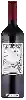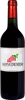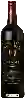
Château SiauracPulpa
 Red wine
This wine is a blend of 2 varietals which are the Malbec and the Merlot.
In the mouth this red wine is a powerful with a lot of tannins present in the mouth.
This wine generally goes well with poultry, beef or veal.

Taste structure of the Pulpa from the Château Siaurac
Light | Bold | |
Smooth | Tannic | |
Dry | Sweet | |
Soft | Acidic |
In the mouth the Pulpa of Château Siaurac in the region of Bordeaux is a powerful with a lot of tannins present in the mouth.
Food and wine pairings with Pulpa
Pairings that work perfectly with Pulpa



Original food and wine pairings with Pulpa

The Pulpa of Château Siaurac matches generally quite well with dishes of beef, veal or game (deer, venison) such as recipes of borscht (russia), pljeskavica (balkan hamburger) or blanquette of rabbit with riesling and chanterelles.
Discover the grape variety: Malbec
Deep, velvety reds with an intense purple colour, showing aromas of blackberry, black plum, violet, cocoa and gentle spice. Round tannins, fleshy palate, peppery length. Star of Cahors AOC (Côt, Auxerrois) in France and the absolute signature of Mendoza, Argentina (Uco Valley, Luján de Cuyo). A French South-West variety that became the Argentine emblem after its post-phylloxera decline.
Informations about the Château Siaurac
The Château Siaurac is one of of the world's greatest estates. It offers 9 wines for sale in the of Bordeaux to come and discover on site or to buy online.

The wine region of Bordeaux
World-renowned age-worthy reds, led by round Merlot (plum, black fruit) or firm Cabernet Sauvignon (blackcurrant, cedar, graphite), blended with Cabernet Franc and Petit Verdot for tannic structure. Structured Médoc and Graves, velvety Saint-Émilion and Pomerol. Also crisp dry whites (Sauvignon/Sémillon) and opulent sweet Sauternes with honey and candied fruit. A 110,000 ha Gironde vineyard, 65 appellations, cradle of the 1855 classified growths.
The word of the wine: Dame-jeanne
Large bottle or wicker-clad carboy used to transport wine and store old spirits before blending.