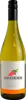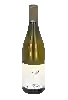
Winery Christian MichelTête de Cuvée Monthélie
 White wine
This wine generally goes well with
Details and technical informations about Winery Christian Michel's Tête de Cuvée Monthélie.
Discover the grape variety: Vilana
A very old grape variety grown in Greece - one of the main ones - most often at high altitude, it is said to have originated on the island of Crete. It can also be found in Italy, but is practically unknown in France. D.N.A. analyses have shown that it is related to Thrapsthiri and Vidiano.
Informations about the Winery Christian Michel
The Winery Christian Michel is one of wineries to follow in Monthélie.. It offers 49 wines for sale in the of Monthélie to come and discover on site or to buy online.

The wine region of Monthélie
The wine region of Monthélie is located in the region of Côte de Beaune of Burgundy of France. Wineries and vineyards like the Domaine Matrot or the Domaine Monthelie Douhairet Porcheret produce mainly wines red and white. The most planted grape varieties in the region of Monthélie are Pinot noir, Chardonnay and Gamay noir, they are then used in wines in blends or as a single variety. On the nose of Monthélie often reveals types of flavors of cherry, pepper or cinnamon and sometimes also flavors of blueberry, smoke or lemon.
The wine region of Burgundy
Bourgogne is the catch-all regional appellation title of the Burgundy wine region in eastern France ("Bourgogne" is the French name for Burgundy). Burgundy has a Complex and comprehensive appellation system; counting Premier Cru and Grand Cru titles, the region has over 700 appellation titles for its wines. Thus, Burgundy wines often come from one Vineyard (or several separate vineyards) without an appellation title specific to the region, Village or even vineyard. A standard Burgundy wine may be made from grapes grown in one or more of Burgundy's 300 communes.
The word of the wine: Bâtonnage
A very old technique that has come back into fashion in modern oenology, which consists of shaking the white wine in the barrels at the end of fermentation, or after fermentation, with a stick or a flail, in order to suspend the fine lees composed of yeasts at the end of their activity. This process is sometimes used for red wines.