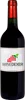
Winery ჩიბალას მარანი (Chibalas Marani - Chibala Wine Cellar)საბარძიმე საფერავი (Saperavi)
 Red wine


This wine generally goes well with

Details and technical informations about Winery ჩიბალას მარანი (Chibalas Marani - Chibala Wine Cellar)'s საბარძიმე საფერავი (Saperavi).
Discover the grape variety: Saperavi
Deeply coloured, powerful reds with inky robe (teinturier grape with red flesh) and tight tannins, with intense aromas of blackberry, blackcurrant, black plum, spices, leather and balsamic notes. High acidity and fine ageing potential. Often made by the ancestral qvevri method (buried clay jar), it signs the great Georgian reds of Kakheti (Mukuzani, Kvareli, Napareuli). Also in Russia, Ukraine and Australia. Ancient Georgian variety.
Last vintages of this wine
The best vintages of საბარძიმე საფერავი (Saperavi) from Winery ჩიბალას მარანი (Chibalas Marani - Chibala Wine Cellar) are 0, 2017
Informations about the Winery ჩიბალას მარანი (Chibalas Marani - Chibala Wine Cellar)
The Winery ჩიბალას მარანი (Chibalas Marani - Chibala Wine Cellar) is one of of the world's greatest estates. It offers 2 wines for sale in the of Kakheti to come and discover on site or to buy online.

The wine region of Kakheti
Cradle of amber and orange wines, vinified in qvevri (buried clay jars, UNESCO). Skin-macerated Rkatsiteli whites: signature notes of dried apricot, walnut, honey, orange peel and black tea, fine tannins and controlled oxidation. Deep, tinctorial Saperavi reds with black fruit, plum, spice and firm tannins, age-worthy. Also Mtsvane and Kisi in white, fresh and floral.
The word of the wine: Presses
The juice that results from pressing the grapes after fermentation. At the end of the maceration, the vats are emptied, the first juice obtained is called the free-run wine and the marc remaining at the bottom of the vat is then pressed to give the press wine. We say more quickly "the presses". Their quality varies according to the vintage and the maceration. A too vigorous extraction releases the tannins of pips and the wine of press can then prove to be very astringent. Often the winemaker raises it separately, deciding later whether or not to incorporate it totally or partially into the grand vin.