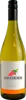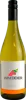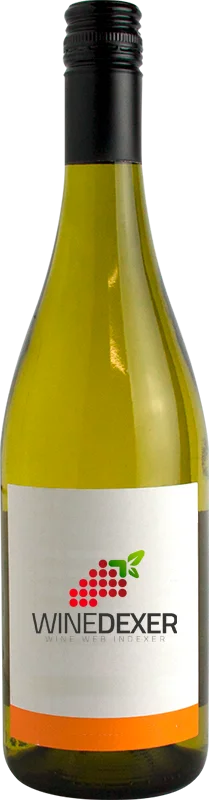
Château TrivierMoscatel
 White wine


This wine generally goes well with

Details and technical informations about Château Trivier's Moscatel.
Discover the grape variety: Castelao
Structured, fruity reds with a deep ruby colour, supple to firm tannins and charming palate, showing signature aromas of raspberry, plum, cherry, gentle spices and balsamic notes. Charming Portuguese profile for early or short-aged drinking. Grown in the Setúbal Peninsula, Alentejo, Ribatejo and Lisbon region, contributing to many Portuguese blends. Native Portuguese black variety, also known as periquita, one of the most widely planted in Portugal.
Informations about the Château Trivier
The Château Trivier is one of of the world's greatest estates. It offers 9 wines for sale in the of Champagne to come and discover on site or to buy online.

The wine region of Champagne
World benchmark sparkling wines: fine bubbles, citrusy tension, notes of brioche, toasted almond, white flowers and white-fleshed fruits after ageing on lees. Three grapes blended or solo: fleshy Pinot Noir (38%), fruity Meunier (33%), chiselled Chardonnay (28%). From straight Blanc de Blancs to vinous Blanc de Noirs, from non-vintage Brut to age-worthy Millésimé. AOC since 1927, 34,300 ha on chalk, 17 Grands Crus and 44 Premiers Crus.
The word of the wine: Passerillage
Concentration of the grape by drying out, under the influence of wind or sun, as opposed to botrytisation, which is the concentration obtained by the development of the "noble rot" for which Botrytis cinerea is responsible. The word is mainly used for sweet wines.