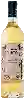
Château RamonCuvée Èglantine Monbazillac
 Sweet wine



This wine generally goes well with

Wine flavors and olphactive analysis

Details and technical informations about Château Ramon's Cuvée Èglantine Monbazillac.
Discover the grape variety: Catarratto Bianco
Fresh, structured dry whites with a pale golden color, supple palate and preserved acidity, offering signature aromas of citrus (lemon, bitter orange), almond, white flowers (orange blossom), Mediterranean herbs and mineral notes. A sunny, thirst-quenching profile. Pillar of Sicilian dry whites (Alcamo DOC, Etna Bianco DOC) and essential component of traditional Marsala DOC. One of Italy's most planted varieties, indigenous to Sicily.
Last vintages of this wine
The best vintages of Cuvée Èglantine Monbazillac from Château Ramon are 2011
Informations about the Château Ramon
The Château Ramon is one of of the world's greatest estates. It offers 5 wines for sale in the of Monbazillac to come and discover on site or to buy online.

The wine region of Monbazillac
World's largest sweet AOC south of Bergerac (South-West): signature Sémillon as king white with Sauvignon and Muscadelle — medium-sweet to botrytized sweet wines with opulent notes of honey, candied apricot, quince, pineapple, mango, beeswax, saffron and a touch of spice, unctuousness balanced by fine acidity. Successive picking of noble grapes mandatory. AOC (1936), ~2,320 ha on clay-limestone slopes, morning mists favoring Botrytis cinerea, 10-50 year aging.
The wine region of South West
French mosaic of strong identities south of Bordeaux. Cahors and its Malbec ("black wine"): deep reds with notes of blackberry, plum, violet, tobacco and cocoa, firm tannins. Madiran and its dense, age-worthy Tannat. Jurançon whites: golden sweet (apricot, honey, pineapple) and lively dry from Petit Manseng.
The word of the wine: Assemblage (Champagne)
In Champagne, it is the art of blending still wines from different grape varieties (pinot meunier, pinot noir, chardonnay), from different terroirs (villages, areas) and often from different years. The incorporation of older wines, called reserve wines, allows for greater aromatic complexity.