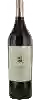
Château la CouteliereNoble Vendémiaire Fronton
 Red wine


This wine generally goes well with

Details and technical informations about Château la Couteliere's Noble Vendémiaire Fronton.
Discover the grape variety: Datal
Simple, fresh dry whites with a pale golden robe, a supple palate with moderate acidity on undemonstrative citrus and white flower aromas. Discreet rustic profile. Preserved in a few ampelographic collections, it belongs to the ancient varieties with patrimonial value whose commercial diffusion has virtually disappeared and which are studied for their genetic and historical interest. Rare and poorly documented white variety, grown in confidential quantities.
Informations about the Château la Couteliere
The Château la Couteliere is one of of the world's greatest estates. It offers 4 wines for sale in the of Fronton to come and discover on site or to buy online.

The wine region of Fronton
South-West AOC north of Toulouse around its fetish grape: signature Negrette as king red (50-70%) — deep robe with signature notes of violet, peony, blackcurrant, blackberry, raspberry, liquorice, sweet spices and a peppery touch, supple tannins and elegant freshness, moreishness and persistent floral finish. Syrah, Cabernets, Cot, Gamay as backup. Fresh, aromatic rosés equally emblematic. AOC (1975), ~2,000 ha on gravelly terraces, temperate climate.
The wine region of South West
French mosaic of strong identities south of Bordeaux. Cahors and its Malbec ("black wine"): deep reds with notes of blackberry, plum, violet, tobacco and cocoa, firm tannins. Madiran and its dense, age-worthy Tannat. Jurançon whites: golden sweet (apricot, honey, pineapple) and lively dry from Petit Manseng.
The word of the wine: Clarity
The state of translucency of a wine. A clear wine is not cloudy (which is a defect).