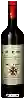
Château Gachet-BrissonLalande de Pomerol
 Unknow wine


This wine generally goes well with poultry, beef or game (deer, venison).

Food and wine pairings with Lalande de Pomerol
Pairings that work perfectly with Lalande de Pomerol



Original food and wine pairings with Lalande de Pomerol

The Lalande de Pomerol of Château Gachet-Brisson matches generally quite well with dishes of beef, lamb or game (deer, venison) such as recipes of cornish pasties, royal couscous (lamb, chicken, merguez) or rabbit with beer.
Details and technical informations about Château Gachet-Brisson's Lalande de Pomerol.
Discover the grape variety: Malvoisie de Toscane
Structured, full-bodied dry whites with a golden robe, an ample palate with moderate acidity. Signature aromas of ripe yellow fruits, white flowers, almond and honey. Also made as a mellow or sweet passito in Tuscan Vin Santo (long straw-drying). A traditional component of Tuscan and Umbrian whites, defining the identity of central Italy. French synonym for the Italian Malvasia Bianca Lunga.
Last vintages of this wine
The best vintages of Lalande de Pomerol from Château Gachet-Brisson are 0
Informations about the Château Gachet-Brisson
The Château Gachet-Brisson is one of of the world's greatest estates. It offers 1 wines for sale in the of Lalande-de-Pomerol to come and discover on site or to buy online.

The wine region of Lalande-de-Pomerol
Northern neighbour of Pomerol (Bordeaux right bank) on the communes of Lalande and Neac: signature Merlot as king red (~75%) — fleshy and velvety with notes of black cherry, ripe plum, blackberry, red fruits, truffle, undergrowth and a hint of spice, round tannins and a generous finish in the Pomerol style at an accessible price. Fragrant Cabernet Franc (15-20%) and Cabernet Sauvignon as complements. AOC (1936), ~1,200 ha, clay-gravel and sandy-gravel soils, oceanic climate, ages 5-15 years.
The wine region of Bordeaux
World-renowned age-worthy reds, led by round Merlot (plum, black fruit) or firm Cabernet Sauvignon (blackcurrant, cedar, graphite), blended with Cabernet Franc and Petit Verdot for tannic structure. Structured Médoc and Graves, velvety Saint-Émilion and Pomerol. Also crisp dry whites (Sauvignon/Sémillon) and opulent sweet Sauternes with honey and candied fruit. A 110,000 ha Gironde vineyard, 65 appellations, cradle of the 1855 classified growths.
The word of the wine: Noble rot
A fungus called botrytis cinerea that develops during the over-ripening phase, an ally of great sweet white wines, when it concentrates the juice of the berries. It requires the humidity of morning fogs and beautiful sunny days, gives musts very rich in sugar and brings to the wines the famous taste of "roasted".