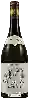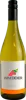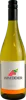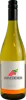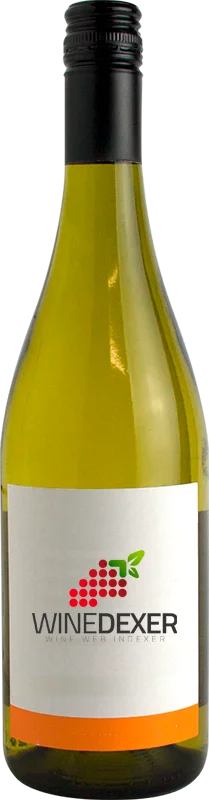
Château de la MarMarestel Golliat
 White wine


This wine generally goes well with

Details and technical informations about Château de la Mar's Marestel Golliat.
Discover the grape variety: Altesse
Structured, aromatic whites with an ample palate and firm acidity, featuring aromas of white flowers (acacia), white peach, ripe pear, honey, candied citrus, toasted almond and alpine mineral notes. Good length and ageing potential. Absolute star of Roussette de Savoie AOC (especially crus Frangy, Marestel, Monthoux) and Roussette du Bugey AOC. Autochthonous Savoyard variety; legend has it that it was brought from Cyprus by Crusaders in the 14th century.
Last vintages of this wine

The best vintages of Marestel Golliat from Château de la Mar are 2015, 2017, 2016
Informations about the Château de la Mar
The Château de la Mar is one of of the world's greatest estates. It offers 7 wines for sale in the of Roussette de Savoie to come and discover on site or to buy online.

The wine region of Roussette de Savoie
Savoyard AOC dedicated to Altesse (locally Roussette), a native variety with late ripening and high acidity. Signature whites: ample and structured with ripe pear, yellow peach, candied citrus, white flowers (acacia, hawthorn), honey, toasted hazelnut, almond and a vibrant alpine mineral touch, taut palate with ageing potential — a great little-known mountain white. Four historic crus: Frangy, Marestel, Monterminod, Monthoux. Refined companion to cheeses and lake fish.
The wine region of Savoie
French Alpine vineyard with unique native grapes. Signature Jacquère in whites (~50% of the vineyard): lively, light dry wines with white flowers, green apple, citrus, fresh almond and a mineral touch, perfect with fondue and raclette. Ampler Altesse (Roussette) (pear, honey, hazelnut). Fruity, peppery Mondeuse reds (cherry, violet, firm tannins), light Gamay and fine Pinot Noir.
The word of the wine: Aging
Period during which a wine is kept in a cellar where it goes through different phases of evolution of its aromatic range and a maturation of its constituents (evolution of the colour, refining of the tannins, harmonization of the different flavours, etc.). The wine evolves better and less quickly in large containers, whereas it deteriorates prematurely in half-bottles.