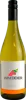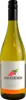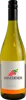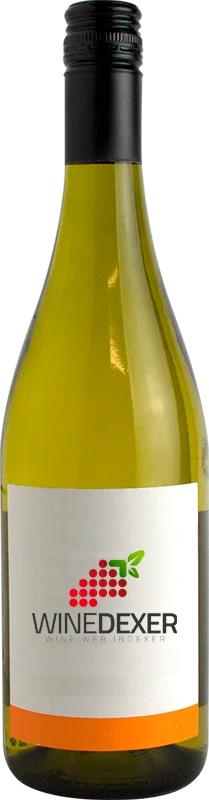
Winery Ch. WantzSylvaner Alsace Grand Cru 'Zotzenberg'
 White wine


This wine generally goes well with

Details and technical informations about Winery Ch. Wantz's Sylvaner Alsace Grand Cru 'Zotzenberg'.
Discover the grape variety: Sylvaner
Lively, understated whites with a tender palate and fresh acidity, with delicate aromas of citrus, white flowers, green apple, hay and typical mineral notes. Light and refreshing finish. Made as easy dry whites and more structured lees-aged cuvées. Star of Alsace AOC (one of the historic varieties), absolute signature of German Franconia (Silvaner on shell-limestone soils) and present in Austria and Switzerland. Central European variety of Austrian origin.
Informations about the Winery Ch. Wantz
The Winery Ch. Wantz is one of of the world's great estates. It offers 41 wines for sale in the of Alsace Grand Cru 'Zotzenberg' to come and discover on site or to buy online.

The wine region of Alsace Grand Cru 'Zotzenberg'
Grand Cru of Mittelbergheim in Bas-Rhin (south-east facing slope, marly-limestone soils retaining moisture and resistant to drought). Sylvaner is the exclusive signature white — the only Grand Cru in Alsace authorizing this variety (2005 decree) — fruity profile with full-bodied notes and a surprisingly complete palate for Sylvaner, dense and fresh matter revealing the terroir. Planted since the late 19th century. Riesling, Gewurztraminer, and Pinot Gris also authorized, a unique exception.
The wine region of Alsace
Capital of great French aromatic whites, most often dry and single-varietal. Straight, mineral Riesling (lemon, gunflint), opulent, exuberant Gewurztraminer (lychee, rose, spices), round, smoky Pinot Gris, floral, crisp Muscat, supple Pinot Blanc. Fine, fruity Crémants d'Alsace, exceptional sweet Vendanges Tardives and Sélection de Grains Nobles. 15,500 ha at the foot of the Vosges on varied soils, 51 Grands Crus since 1975.
The word of the wine: Green harvest or green harvesting
The practice of removing excess bunches of grapes from certain vines, usually in July, but sometimes later. This is often necessary, but not always a good thing, as the remaining grapes tend to gain weight.